Elsa Pavón, first Grandmother of Paza de Mayo to recover stolen grandchild, dies
 Martina JaureguyUpdated 5 minutes Ago2 Mins read
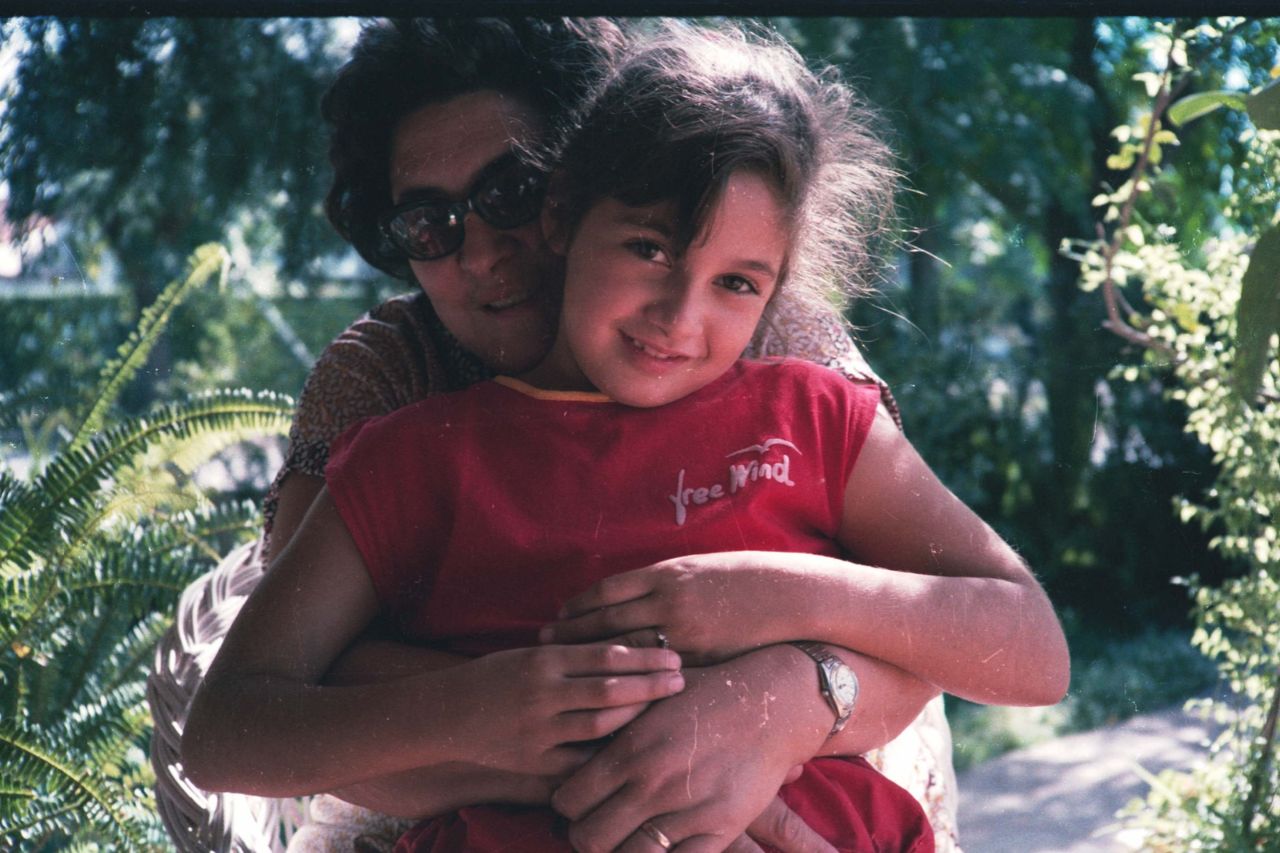

Elsa Pavón, the first member of the Grandmothers of Plaza de Mayo to recover a grandchild stolen during Argentina’s last military dictatorship, died Thursday at 90. The news was announced by the Anahí Association, the human rights organization she led.
Pavón was one of the co-founders of the Grandmothers of Plaza de Mayo, a group of women — mothers of victims of the dictatorship — who have been searching for their grandchildren, stolen by the military regime, since 1977.
She was also president of the Anahí Association, a human rights organization she co-founded in 1996 alongside fellow Grandmother María Isabel “Chicha” Chorobik de Mariani.
Elsa Pavón The Anahí Association announced her death on Facebook, describing Pavón as “bright and wise,” as well as “beloved” by its members.
“For those who did not know her, Elsa is — we cannot help but speak of her in the present tense — a fundamental figure in Argentina’s human rights movement,” they wrote. “Her strength and determination blazed historic trails in the struggle for truth, memory, and justice.”
According to the Anahí Association, Pavón was still visiting schools and libraries just a few weeks ago to raise awareness among young people about the importance of memory.
The story of Elsa Pavón Pavón was a nurse and later earned a degree in social psychology. In 1978, her daughter Mónica Grinspon, son-in-law Claudio Logares, and granddaughter Paula — who was almost two years old — were kidnapped by the armed forces in Montevideo, Uruguay.
The couple had fled Argentina because of political persecution. Mónica was pregnant at the time.
The family was illegally transferred back to Argentina as part of Operation Condor, a military agreement among the de facto authorities of Argentina, Bolivia, Chile, Paraguay, and Uruguay to persecute and exterminate what they called “subversion” across national borders.
Claudio Logares, Mónica Grinspon and Paula Logares Mónica and Claudio were held in clandestine detention centers in Buenos Aires and remain disappeared. Their toddler, Paula, was taken by the military. And the baby Mónica was carrying, which should have been born in late 1978 or early 1979, was never found, although Pavón searched for her grandchild until her last day.
Following the kidnapping of her relatives, Pavón began searching for them, first in Uruguay and later in Argentina. During that process, she met Chicha Mariani and Alicia Zubasnabar de De la Cuadra.
She formally joined them as a member of the Grandmothers of Plaza de Mayo in August 1978. They were among the group’s first members.
Over the years, the organization grew in membership and strengthened its demands, confronting the military junta on numerous occasions.
The best news In 1983, the year the dictatorship ended, the Grandmothers of Plaza de Mayo received reports that a 7-year-old child being raised by a police officer named Rubén Lavallén and his wife might be a stolen granddaughter.
Confirmation that the child was Paula came in late 1984. Her identity was established using a pioneering genetic testing technique that relied on blood samples from her grandmother, since her parents — the closest genetic matches — had been disappeared.
Paula’s identification marked the first restitution of a child appropriated by the dictatorship and the first case in which this genetic testing method was used.
The technique would go on to be used over the next four decades, helping identify 140 people born to disappeared parents.
Paula then moved in with Pavón, who raised her while continuing the search for Mónica, Claudio, and their baby.
“Elsa always looked for all three of them — ‘To me, the three are one,’ she would say — and knocked on every door she could,” the Grandmothers of Plaza de Mayo wrote in a statement mourning her death.
“In the face of the horrors of the dictatorship, Elsa Pavón turned her pain into a struggle,” the organization said.