Buenos Aires province is experiencing a hantavirus outbreak in rural and semi-rural areas, a provincial health ministry epidemiological bulletin recently reported.
According to the report, there have been 18 cases and seven deaths so far confirmed in 2026, a 50% increase compared to the same period last year. Historically, the virus has shown low circulation during these months of the year.
The official report, corresponding to the week between May 3 and 9, also warned that cases within endemic areas of Buenos Aires province have grown significantly since the beginning of 2026.
Health authorities recommend reinforcing preventive measures, especially in rural areas, sheds, enclosed properties, and areas with rodent populations.
The report comes on the heels of international concern after an outbreak on Dutch cruise MV Hondius that departed from Tierra del Fuego on April 1. Eleven were infected, and three people died.
Current situation
The Buenos Aires health ministry stated that the current situation breaks with the historical seasonality of hantavirus, as the highest transmission rates usually occur during spring and summer.
One of the indicators used to measure circulation is the epidemic index, which currently stands at 1.67, well above the outbreak threshold set at 1.25. The health indicator reached its highest level recorded for this stage of the epidemiological calendar since the start of recent provincial surveys.
Government experts also acknowledged that there are still “few certainties” regarding the causes behind the virus’s current behavior. Concern is growing because the increase detected during 2025 did not slow down and continues to rise throughout 2026.
The provincial health ministry reported that there were 37 confirmed cases and 12 deaths last year. At this same time in 2025, however, there were only 12 registered cases, compared to the 18 detected during 2026.
Another factor causing significant concern among experts is the high fatality rate. With seven deaths out of 18 confirmed cases, mortality remains above levels observed in previous years.
What is hantavirus
Hantavirus is a rodent-borne disease endemic in the Americas, meaning that its presence is persistent and stable through time on the continent. It is mainly present in Argentina and Chile.
In Argentina, variants of the virus are present in provinces such as Salta, Jujuy, Entre Ríos, Buenos Aires, Chubut, Neuquén, and Río Negro.
Other strains are also found in Europe and Asia.
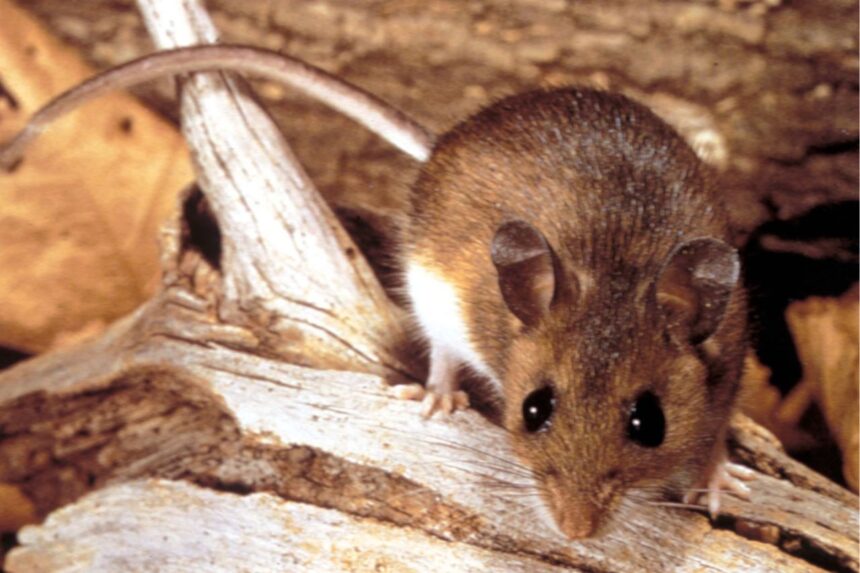
Hantavirus is normally spread from infected rats to humans, causing the disease. Different types of rodents infected with any variant of hantavirus can spread it to humans when the latter enter into contact with the animal’s droppings, urine, or saliva. This can happen if a person accidentally touches or inhales particles from the infected animal waste.
A common way to get the disease is spending time in a closed environment that has not been properly cleaned after the rat was present or not washing one’s hands after touching an object that may have been contaminated with the virus.
There is only one type of hantavirus that can be transmitted between humans: the Andes variant, which is the one found to have caused the cruise ship hantavirus outbreak. However, it is far less contagious than other viral diseases such as COVID-19.
A person can only spread hantavirus to someone else after being infected by a type of rat called ratón colilargo (long-tailed mouse) — the only one that carries the Andes strain — which is only present in the Argentine provinces of Chubut, Río Negro and Neuquén in northern Patagonia, as well as southern Chile.
With information from Ámbito