Argentine Embassy in Spain demands redress for writer Ariana Harwicz
 Buenos Aires HeraldUpdated 12 hours Ago2 Mins read
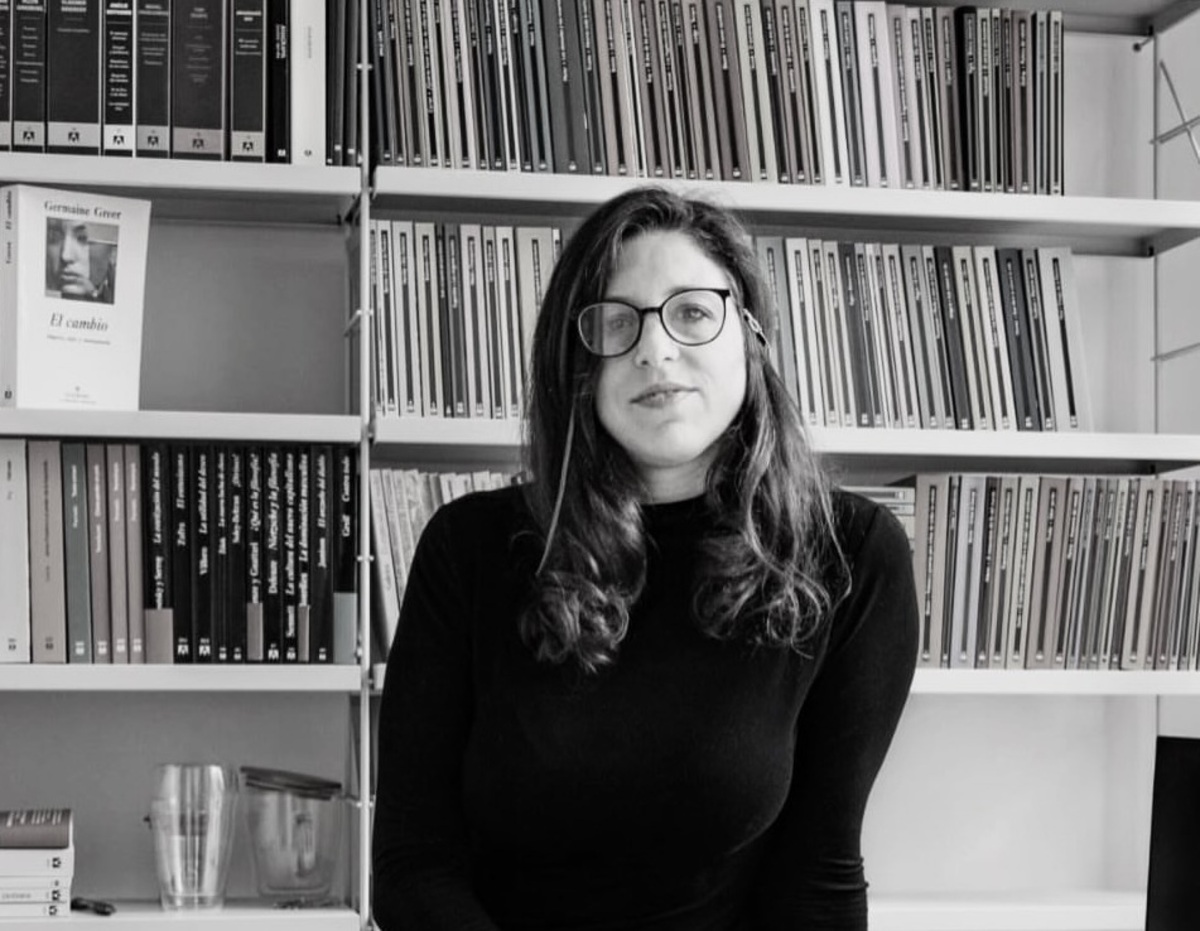

The Argentine Embassy in Spain intervened in the controversy surrounding the exclusion of Argentine writer Ariana Harwicz from a literary festival in Granada, demanding that the University of Granada take steps to “redress the author and restore guarantees of non-discrimination.”
In a letter sent Monday to the university’s rector, the embassy described Harwicz’s exclusion from the CULTUR-ALH International Festival of Art, Literature and Humanities as a matter of “special institutional gravity” and called for mechanisms to be put in place to address the situation.
The dispute began last week, when Harwicz was removed from the festival program following pressure from the University Network for Palestine of Granada and one of the participating book clubs.
The festival lineup includes writers such as John Banville, Gabriela Cabezón Cámara, Patrick Boucheron, María Fernanda Ampuero and Juan Villoro.
Harwicz, an Argentine writer living in France and a finalist for the International Booker Prize in 2018, had been scheduled to appear Sept. 26 in a conversation titled “Opposing the World” with writer Jesús Ortega at the Plaza de las Pasiegas.
Uninvited A letter from the University Network for Palestine of Granada asking the festival to reconsider Harwicz’s participation prompted festival organizers to cancel her participation.
Harwicz told El País that she believed she had been removed because she was Jewish, saying she had been “unprogrammed at the last minute” and that “today Jews are being turned into pariahs.”
In her first public reaction, posted on X, she wrote that organizers had “given in to pressure from activists” and “given in to terror,” adding that she had been willing to attend even if there were a demonstration against her.
No es un “Festival International de Artes Literatura y Humanidades” y no es una Universidad pública en Granada. Las organizadoras dijeron cuánto admiran mis libros, que son todo menos propaganda. Me desprogramaron a último momento. Cedieron a la presión de militantes. Cedieron al… pic.twitter.com/LEaRC1aNcv
— Ariana Harwicz (@ArianaHar) September 18, 2026 “We pose no danger to anyone,” the Network responded in a statement. “A letter is not a threat. Protesting is a right and, in the face of genocide, an obligation.”
In the statement, they quoted an X post by her saying ‘there is no genocide’ in Gaza.
Seven writers participating in the festival — Rita Laura Segato, Lina Meruane, Sabina Urraca, Gabriela Wiener, María Fernanda Ampuero, Ángelo Néstore and Brenda Navarro — stood by the Network’s claim, saying their objection concerns Harwicz’s public statements rather than her Jewish identity.
“We criticize public positions, not identities,” the writers said in a joint statement, endorsing the position of the Granada network. At the same time, they criticized the festival organizers for having invited Harwicz in the first place and for canceling her appearance only after the invitation had been confirmed.
In a letter, the writers said they “value” Harwicz’s literary work and its exploration of human complexity but argued that her public statements made it ethically problematic to share a festival platform with her. They accused her of denying what they describe as genocide against Palestinians, “endorsing extermination,” and insulting people who oppose Israel’s actions.
They also rejected the festival’s explanation that the cancellation was related to pressure, security or potential disruption, arguing that the ethical reasons behind the decision should have been stated openly.
The University of Granada has sought to distance itself from the decision. Its governing team said in a statement that removing Harwicz was an exclusive decision by the festival’s organizers and said it did not share that decision.
Harwicz has received support from other Argentine writers, including awarded author Claudia Piñeiro, who has publicly said that she does not share Harwicz’s political views but criticized the festival’s decision to withdraw her invitation.
Argentine illustrator Ricardo Siri (known as Liniers) also responded to Harwicz’s post on X.
“There is no culture without debate,” he wrote.