Malvinas government extends offshore drilling licenses for 5 years
 Buenos Aires HeraldUpdated 13 hours Ago2 Mins read
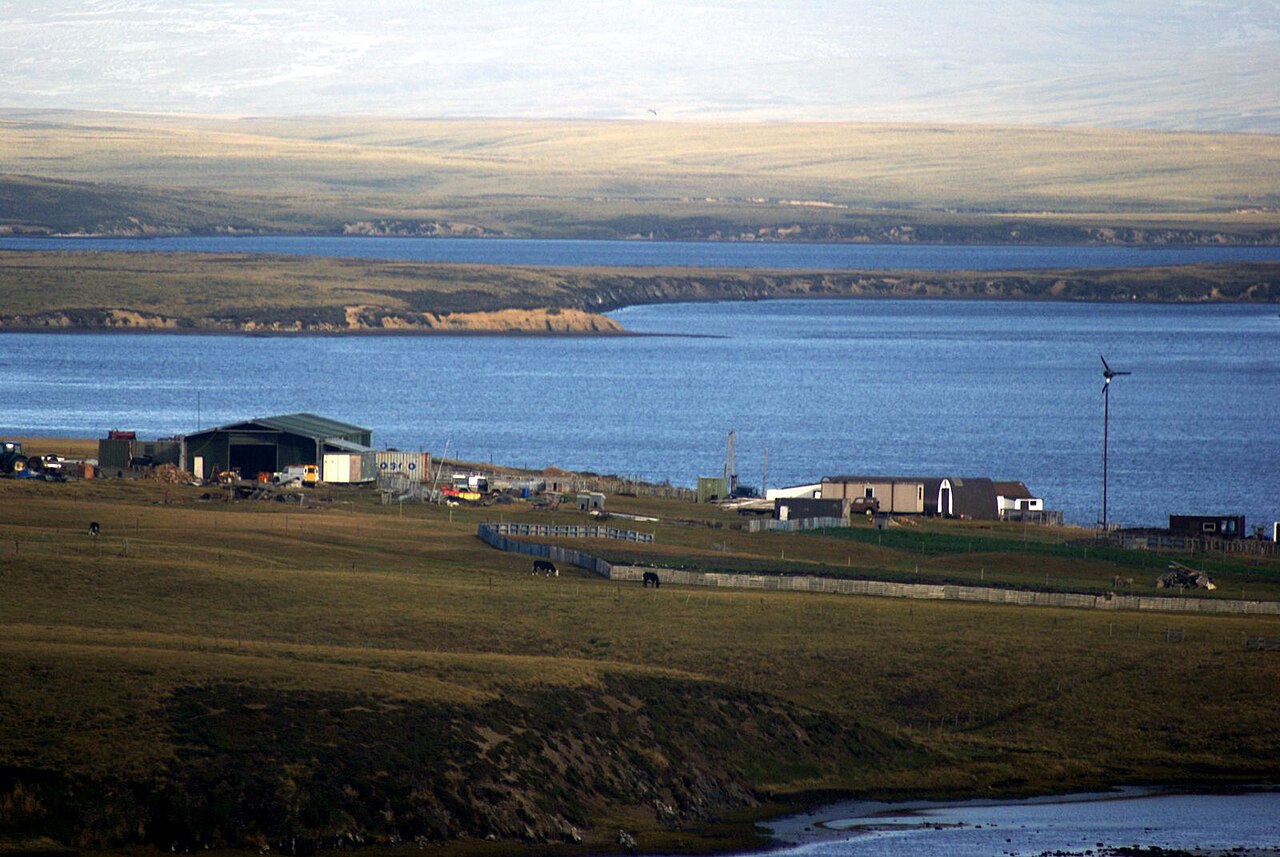

The Malvinas government extended all existing offshore drilling licenses for 5 years, a move that comes amid President Javier Milei’s offensive to increase sanctions for oil companies operating in the area without Argentine authorization.
The decision, which is backed by the U.K. government, also includes the possibility of extending the licenses for another 2 years if the companies complete the scheduled work programs.
“These extensions provide certainty to operators, allowing them to continue investing in and developing their assigned areas,” said Cheryl Roberts, a member of the island’s Legislative Assembly and head of Commerce, Industry, and Mineral Resources.
The announcement escalates tensions with Argentina over the advancement of oil projects in the South Atlantic.
The Milei administration sent a bill to Congress to declare the permits granted by the island’s administration illegal. In recent weeks, the government has stepped up criminal charges, administrative measures, and sanctions against companies and shareholders linked to those operations.
On Wednesday, Milei will address the United Nations General Assembly. The president is expected to deliver a speech asserting Argentina’s sovereignty over the islands.
Sea Lion, the project at the center of the conflict The main focus is on Sea Lion, the oil project located in the northern Malvinas Islands basin, about 220 kilometers from the archipelago.
The initiative is led by Israeli company Navitas Petroleum, which holds a 65% stake, and British company Rockhopper Exploration, which holds the remaining 35%.
The companies plan to begin production in 2028. Reuters reported that the project aims for a production rate of 50,000 barrels per day and that the companies maintain they hold valid licenses granted by the islands’ administration.
Last week, Río Grande Federal Judge Mariel Borruto issued a preliminary injunction ordering Rockhopper and Navitas to refrain from initiating, continuing, or carrying out the Sea Lion project.
The ruling stemmed from a preventive action regarding potential environmental and sovereign harm filed by the Argentine Association of Environmental Lawyers and the La Plata Center for Malvinas War Veterans.
The practical enforcement of this order faces limitations outside Argentine jurisdiction, as compliance depends on international cooperation and the conduct of the companies involved.
New moves for Navitas In addition to extending the licenses, the island’s administration approved Navitas Petroleum Atlantic Limited’s acquisition of a 65% stake in PL001, a block adjacent to Sea Lion.
According to the official statement, the decision aims to accelerate the evaluation and development of that block.
The transaction stems from an agreement signed in February between Navitas and Canadian company JHI Associates. In addition to Navitas and Rockhopper, the British companies Borders & Southern and Desire Petroleum Limited, as well as the Canadian company JHI, also hold exploration licenses in the area. Potential revenue from royalties related to the Sea Lion project is estimated at US$2 billion.
The islands’ Department of Mineral Resources is now working with the license holders to define expanded work programs for the new period, which could include commitments to drill additional appraisal wells.
Editorial disclaimer: Although the UK refers to the territory as the “Falkland Islands,” Argentina strongly contests this name. The Buenos Aires Herald uses “Malvinas” to refer to the islands.
With information from Ámbito