Argentina, IMF reach staff-level agreement on third review of current program
 Buenos Aires HeraldUpdated 2 hours Ago2 Mins read
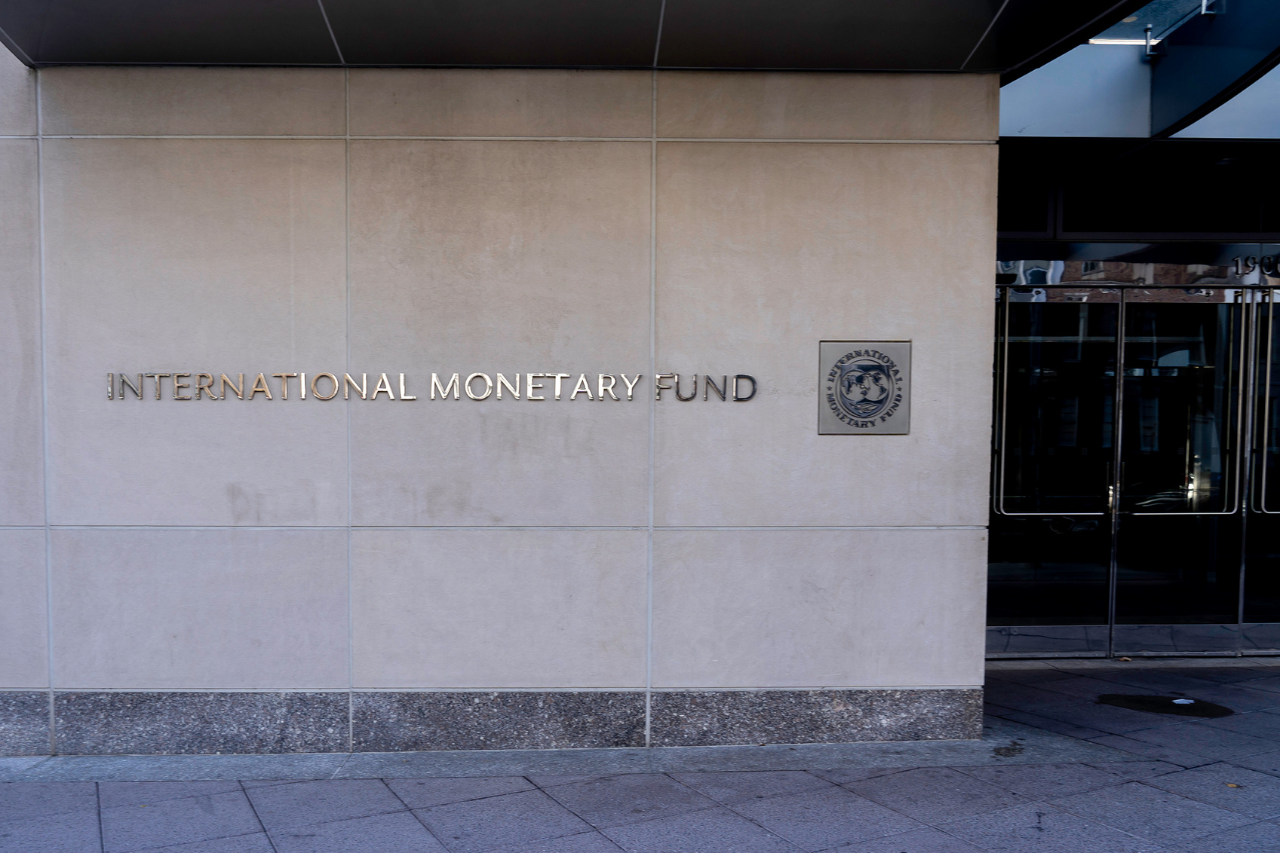

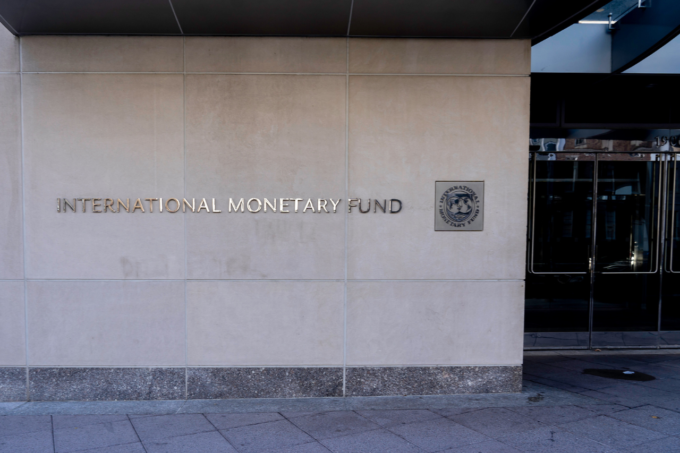
Argentine authorities and International Monetary Fund (IMF) staff reached a staff-level agreement on Tuesday.
This is the third review of the Extended Fund Facility program the Milei administration struck with the lender in 2025. The new program unlocked a US$20 billion loan, which piles up with a previous US$45 billion debt the country took in 2018 during Mauricio Macri’s government.
The agreement, which must be approved by the fund board in order to become official, opens the door to an additional US$900 disbursement for the Milei administration.
In a statement announcing the news, the fund stated that “prudent fiscal and monetary policies have supported continued disinflation and substantially strengthened Argentina’s external position and buffers.”
The communique went on to say that trade, labor, investment, and capital markets reforms have opened a more “efficient and market-based economy, with export volumes now reaching new heights.”
The document pointed out that Central Bank reserve purchases surpassed its June target by US$4 billion, adding that the yearly reserve accumulation now sat at US$16 billion. It also lauded the more than US$76 billion approved under the large investment incentive scheme (known as RIGI), which would “strengthen growth and job creation over time.”
Moving forward The lender said that it had reached an agreement with the government on a policy package that looked to “consolidate disinflation, further strengthen resilience, and enhance growth and employment.”
The program is based on four elements. The first is fiscal policy, which the IMF said will continue to be “central” to the program, consistent with a primary surplus of 1.4 percent of GDP in 2026 and a similar fiscal effort in 2027.
“Continued expenditure discipline and reforms to the tax and fiscal frameworks will further consolidation efforts while protecting priority social and infrastructure spending,” read the text.
The second element is monetary policy. The Central Bank, the statement said, will continue to target money aggregates, calibrated to “support disinflation and reserve accumulation, while preserving exchange rate flexibility within the exchange rate band system.”
Regarding the third element, reserves and financing strategy, the fund said that reserve buffers will continue to be strengthened in order to enhance “resilience.” This will be accompanied by a strategy that will continue to “mobilize financing from the domestic capital markets, official partners, and privatization receipts.”
“The authorities agreed to preserve readiness to access international capital markets when conditions permit and activate contingent credit lines as needed. Efforts to further extend maturities will continue.”
The final item is structural reforms. According to the statement, the deepening of domestic capital markets will be a priority, expanding access to longer-term financing, facilitating investments under the RIGI framework, and advancing infrastructure concessions.
“Together with labor and market reforms implemented earlier this year and continued macroeconomic prudence, these efforts are expected to strengthen growth and employment over time.”