Paraguay: Peña requests extension to file impeachment defense in Senate
 Martina JaureguyUpdated 50 minutes Ago3 Mins read
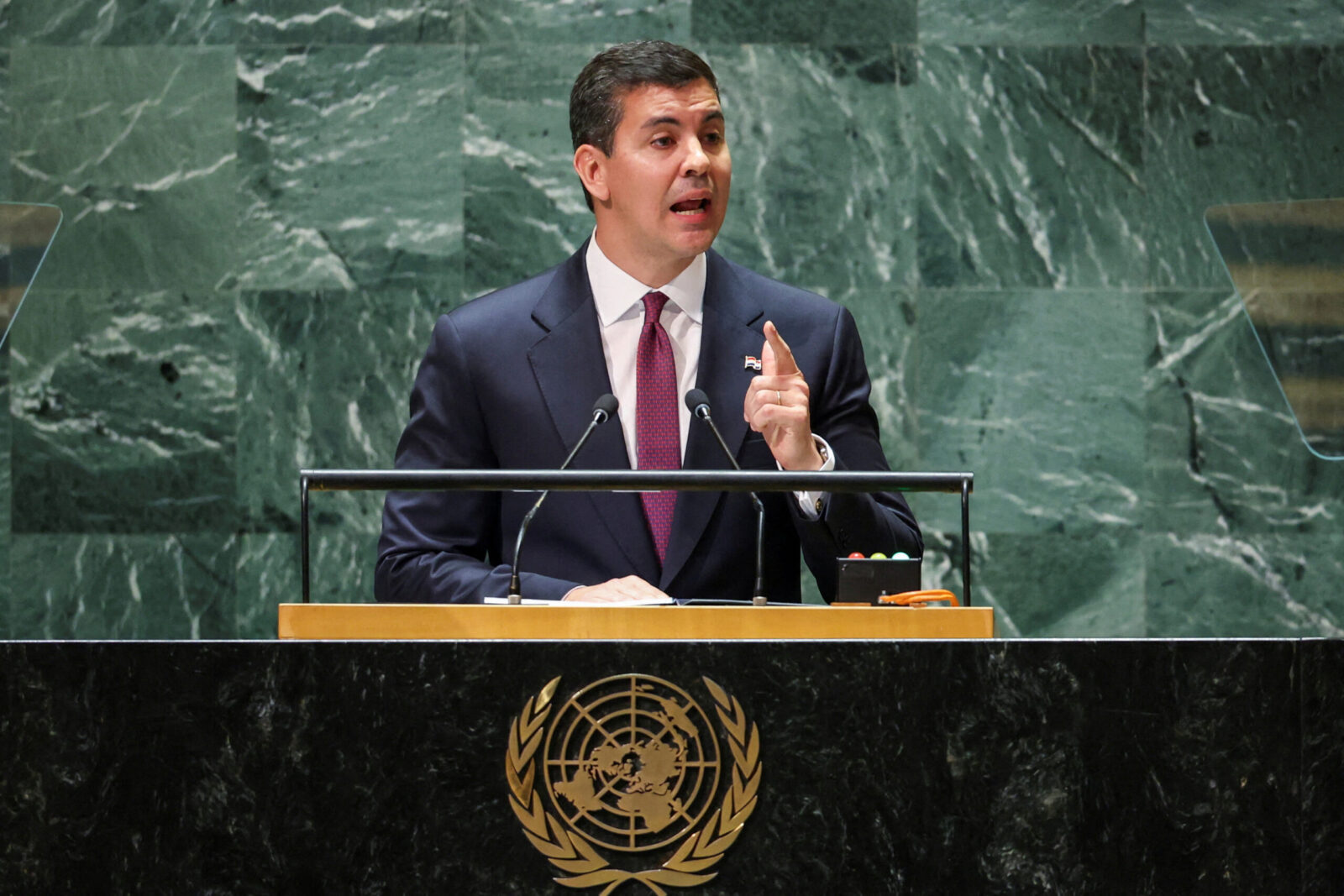

Paraguayan President Santiago Peña requested a 72-hour extension to submit his defense in the impeachment proceedings launched by the country’s Senate over the financial crisis triggered by the Central Bank’s decision to suspend Ueno Bank’s operations, leaving around half the population unable to access their money.
Peña — who’s resignation, on Thursday, was not accepted by Congress — had been summoned to appear before the Senate on Friday at 10 a.m. to defend himself and present evidence. However, he said he received the notification at 10:15 p.m. on Thursday, along with a 15-page indictment and a 300-page annex.
“They expect me to respond in less than 12 hours. That is not due process,” he said in a post on X.
In his request for an extension, sent to the Senate, he argued that “clearly, since this is a process that could result in a sanction, the guarantees of due process apply, including having sufficient time to choose a trusted attorney and exercise the right to a defense.”
“Undoubtedly, a period of less than 12 hours is insufficient for a process to meet the standards of the rule of law,” the president said.
He pedido una prórroga de 72 horas para ejercer mi defensa. Me notificaron a las 22:15 con un libelo acusatorio y unas 300 fojas de anexos, y pretenden que responda en menos de 12 horas. Eso no es debido proceso.
Voy a exponer mi verdad ante toda la ciudadanía, aunque resulte… pic.twitter.com/Q6jCz4tzUE
— Santiago Peña (@SantiPenap) November 6, 2026 Impeachment Following the suspension of Ueno Bank’s operations on Monday over serious solvency problems and the financial crisis triggered by the decision, Peña submitted his resignation as president on Thursday, just as Paraguay’s Lower House was debating whether to initiate impeachment proceedings against him.
Lawmakers voted to initiate impeachment proceedings despite his resignation. Peña remains in office because legislators did not accept his resignation. The Senate is now responsible for conducting the trial and deciding whether to remove him from office.
Opposition lawmakers argued that their decision was based on the fact that, had his resignation been accepted, Peña would have become a senator for life, as is the case with all democratically elected presidents in Paraguay who retire or resign. That would have granted him parliamentary immunity.
However, if found guilty in impeachment proceedings, he could go to jail as the president has no parliamentary immunity.
On Thursday night, the Senate formally constituted itself as the body responsible for trying Peña. The president confirmed he would cooperate and participate in the proceedings.
The Paraguayan government also confirmed that Peña remained in the capital, Asunción, after some media outlets reported that he might have attempted to leave the country.
“I am going to speak my truth before all citizens, even if it makes many political figures uncomfortable. I will never shirk my commitment to the people, especially in difficult times,” Peña said in his X post on Friday morning.
The accusations against Peña Peña is accused of having ties to the bank. The right-wing leader, who took office in 2023, held shares in a group that controlled Ueno Bank but sold them in 2025.
He also appointed Carlos Carvallo, a former Ueno executive, as head of the Central Bank. On Tuesday, after the scandal broke, he requested Carvallo’s resignation.
In addition, Peña’s brother Francisco also held shares in a company linked to the bank, which he sold last March.
The charges against the president include a conflict of interest stemming from his previous ties to the bank, as well as “co-optation of the state” through his appointment of Carvallo as head of the Central Bank.
He is also accused of manipulating regulations and misappropriating pension funds from the Social Security Institute (IPS) by channeling public funds and pensioners’ money to Ueno.
Peña is further accused of being responsible for Ueno issuing large loans — exceeding legal limits — to companies affiliated with the bank, which lawmakers say the Central Bank of Paraguay covered up.
The president’s personal finances are also under scrutiny. He is accused of undue financial gain and suspected illicit enrichment in connection with two loans he obtained from Ueno to build a house that he declared was worth US$900,000. Lawmakers argue that this amount is incompatible with his registered income.
The final accusation is that the Ueno Bank scandal led to “undermining confidence in the national financial system and exposing it to systemic risk” — a particularly sensitive issue in a country that has attracted foreign investment in recent years thanks to its economic stability.