Iñaki Urlezaga’s comeback is a ballet about saying goodbye
 Marcelo Fernandez BitarUpdated 1 hour Ago3 Mins read
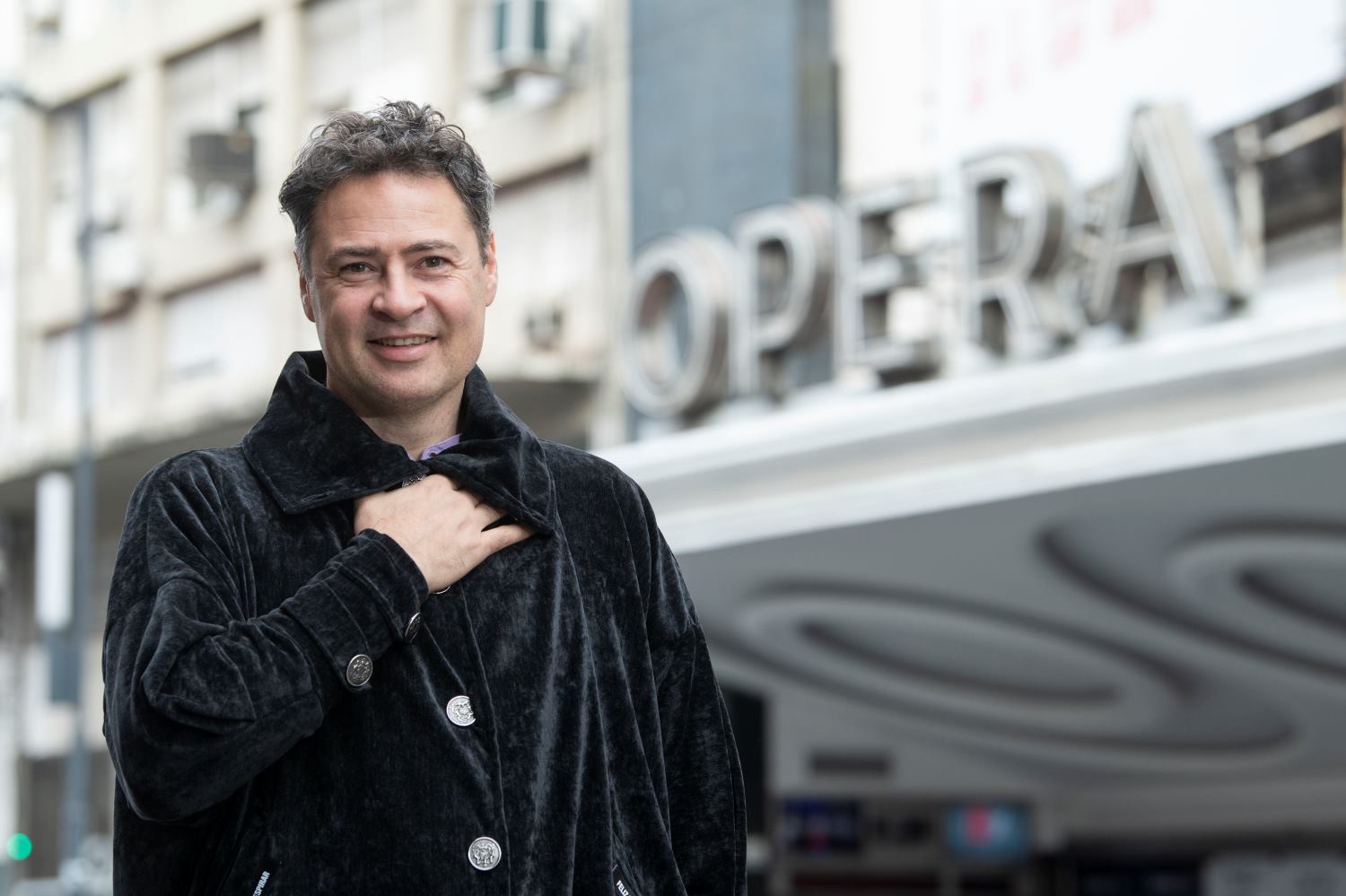

Iñaki Urlezaga is, hands down, one of Argentina’s best-known ballet dancers, sharing a select podium with Julio Bocca, Maximiliano Guerra and Hernán Cornejo. Now, three decades after reaching international recognition as a principal dancer with the Royal Ballet in London, he is back on stage with “El aplauso final,” (The final applause) a ballet he wrote, directed and choreographed himself.
A poetic and deeply emotional creation, the piece explores an artist’s feelings as he faces a final farewell — a theme Iñaki knows firsthand after retiring seven years ago, at 42.
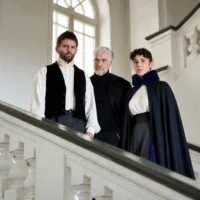
The production delves into the connection between the performer (Julieta Paul) and her mentor, choreographer, and director (Urlezaga), while also revealing a story shaped by love, devotion, and memories of the stage.
It also includes excerpts from works such as “Romeo and Juliet,” “La Traviata,” and “Sylvia,” plus dramatic scenes set to the music of Sergei Rachmaninoff’s “Piano Concerto No. 2.”
“The world premiere was last month in Rosario, and then we performed in Montevideo, La Plata and Mar del Plata,” Urlezaga tells the Herald. The play, he says, is taking shape like a cake out of the oven that is left overnight to cool down and take form.
“Theater has that quality: it gradually comes together, you experience it, you build it,” he says.
“El aplauso final” ends its tour this weekend in Buenos Aires at the Teatro Opera, a stage with a rich history, located on the iconic Avenida Corrientes.
Always a choreographer Urlezaga didn’t become a choreographer after retiring – he had already been one his entire life, “since I was eight years old, in school playgrounds.”
“I simply started doing this professionally a few years ago, when I stepped down and continued doing the same thing without being on stage myself,” he says.
Born into a family of artists, where classical music was always very present and dancers would visit their home, getting into ballet was only natural. His extended career included a few milestones like the moment he saw Argentine Jorge Donn perform Ravel’s “Bolero” in Claude Lelouch’s celebrated film “Les Uns et Les Autres.”
The next step was studying at the Colón Theater, because of the academic training and the rigor. “It transformed me and gave me the tools I needed to dance,” he says.
Then came dancing in Europe, another “qualitative leap” in his. “He applied for an audition and traveled to England, where he learned how a ballet is conceived and what its core structure needs.
A special memory of those days in London was meeting Diana, Princess of Wales. Lady Di was already divorced back then, and would come to the Royal Ballet on days when there were no performances, almost incognito, with unexpected appearances in the Royal Box. She sponsored many productions and encouraged major companies to contribute financially and bring in money.
“She had a different kind of humanity, always helping the person behind the dancer. She connected with people in a sensitive and charismatic manner. It wasn’t some lukewarm or superficial gesture,” he says.
Retiring at 42 Urlezaga retired from dancing following a knee surgery that, over the years, led to osteoarthritis. “There came a point when I simply couldn’t do it anymore,” he says.
Since then, he has created many choreographies, but “El aplauso final” is his most special creation. Many think that it is autobiographical, but actually the idea was born when Julieta Paul told him about her decision to retire, which had a deep impact on him.
“It comes from everything I’ve absorbed, lived through, and experienced, from the hard parts to the most beautiful parts. It’s a work that doesn’t resemble anything else, because the dramaturgy is quite unusual for ballet. It’s a very theatrical piece. It’s a ballet, but it enters areas that might be unexpected, and it’s also a great tribute to everyone who works in a theater,” he says.
Inspiration, he says, comes to him from many sources, mainly two.
“Leisure and literature are two windows into the world for me. Every time I travel, I take five or six books with me. I’ve just finished reading ‘Poet in New York’ by García Lorca, and I absolutely adore Octavio Paz, one of the noblest souls in Latin American literature. Culture is a wonderful thing,” he says.
After this intense weekend, Iñaki will take a break until next year, perhaps taking an early vacation. “I’d like to stop for a while, review what we’ve done, and give myself some time before moving on to another production. Then, after a year or six months, I can return to this piece with the distance that allows me to detach myself from the work,” he concludes.
Photo credit: @maiafndezx