Popular protest singer Piero dies at 81
 Marcelo Fernandez BitarUpdated 3 hours Ago2 Mins read
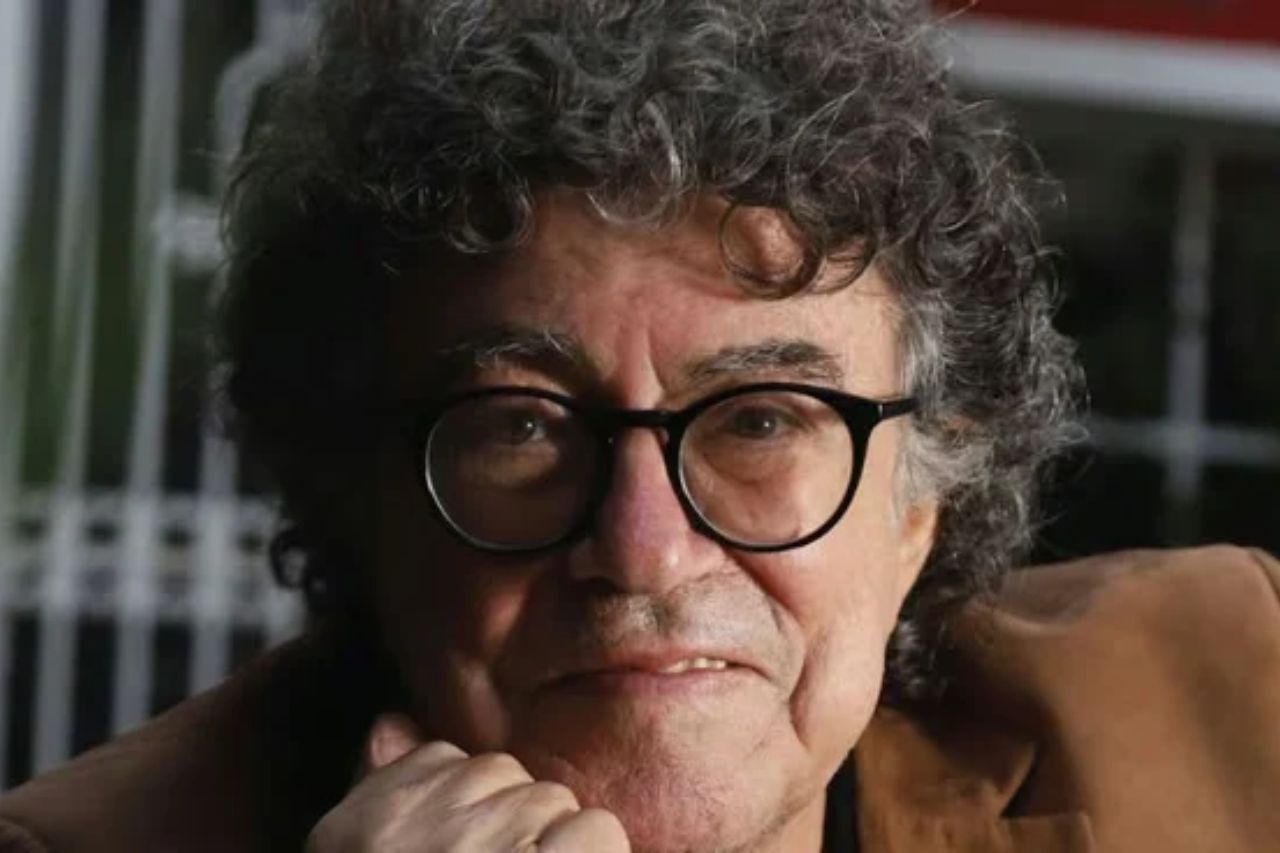

Piero De Benedictis, the Argentine singer-songwriter better known as Piero, died on Wednesday at 81.
The unmistakable voice behind classic songs such as the poignant ballad “Mi viejo” (“My father”) and protest song “Para el pueblo lo que es del pueblo” (“What belongs to the people, for the people”) was famous all around Latin America, with a huge following in Argentina since the mid-sixties, sharing stages with legends like Mercedes Sosa, Charly García, and Pablo Milanés.
First a romantic singer with a soothing voice, then an icon of protest music, he went into exile in Spain following the March 24, 1976, military coup, returning to Argentina a decade later, with the restoration of democracy, and reaching a massive new generation of fans with his “good vibes” concerts with optimistic and peaceful lyrics.
Born in Italy but an Argentine resident since childhood, Piero also made the jump to local politics and ran for an overseas Legislative seat in Italy in 2018. He was appointed minister of culture in the Buenos Aires province in 1998.
Classic songs Piero rose to fame during the 1960s, almost by chance while training for priesthood, when a priest sent a tape of him to a TV show. He began singing catchy tunes in Italian and Spanish but then decided to write his own songs along lyric writer José Tcherkaski, a former journalist.
Together, they wrote hit after hit, with titles such as “Mi viejo,” “Pedro Nadie,” and “Llegando llegaste”, and starred in mainstream films with popular comedian Luis Sandrini.
By the early 70s, Piero and José started writing more political songs. Piero even performed at the music festival that celebrated Juan Domingo Perón’s return to Argentina in 1973. In parallel, he recorded an album for children and another one in the folklore genre.
During Argentina’s politically turbulent years, Piero’s socially engaged music attracted attention, with new hits such as “Para el pueblo lo que es del pueblo,” and “Coplas de mi pais”. Thanks to an early warning, he managed to escape the military censors that were about to arrest him and saved his life. He went into exile and lived in Spain and Colombia.
Towards the end of the dictatorship, he returned to Argentina and reignited his career with band Prema, with a more rock-orientated sound and hits like “Manso y tranquilo”. He sold-out shows at Obras stadium and performed in large music festivals. His Buenas Ondas Foundation promoted ideas of peace, which he predicated with his characteristic presence of a calm voice, shy smile, curly hair and round-rimmed glasses.
He recorded a live album with Cuban trobadour Pablo Milanés, made a benefit album for UNICEF with top music stars (David Gilmour, Annie Lennox, León Gieco and Diego Maradona), and released a handful of new albums.
In recent years he was still going on stage, performing in several Latin American countries where his hit “Mi viejo” continued to have a big impact.
In 1985, he received a Konex Award—Diploma of Merit as a ballad singer.