UK rejects Milei’s Malvinas claim at UN, defends oil exploration
 Buenos Aires HeraldUpdated 2 hours Ago2 Mins read
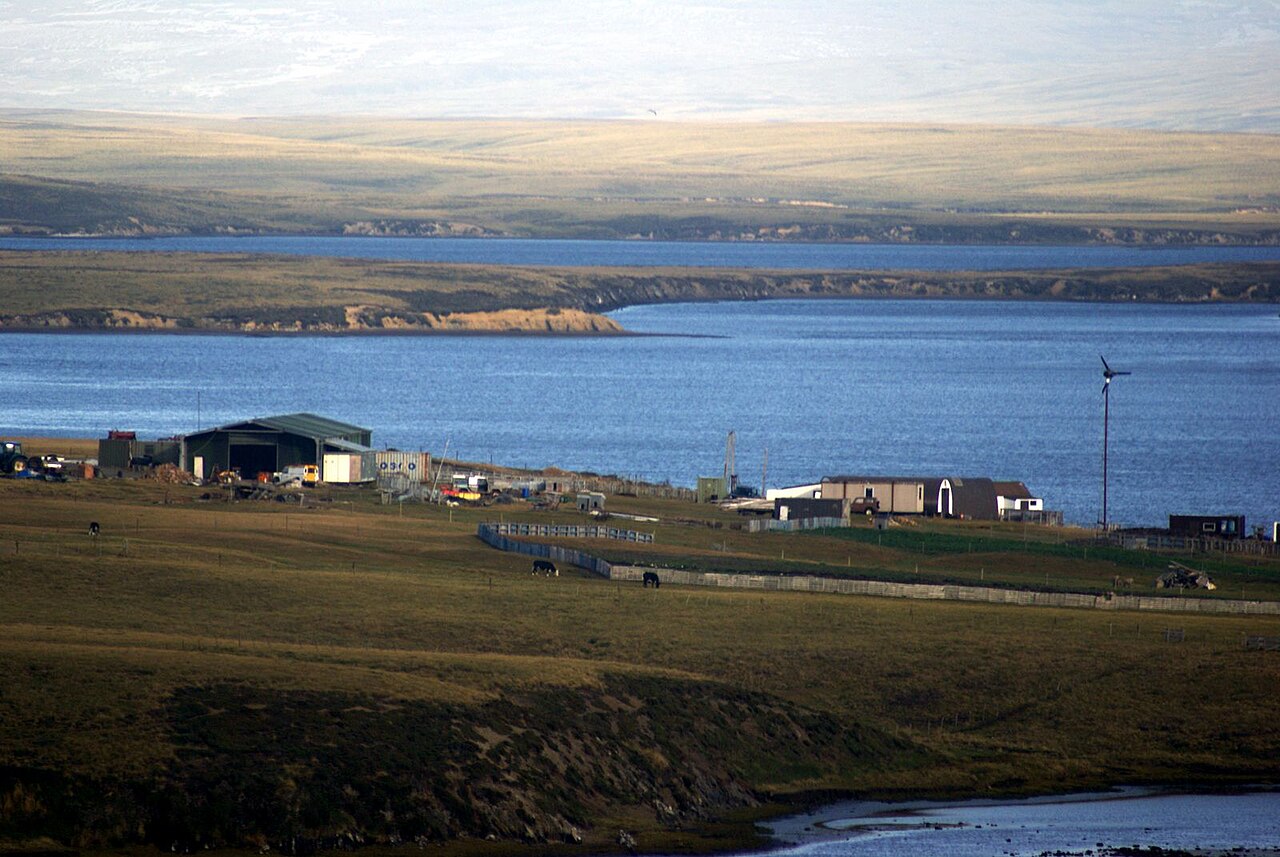

The United Kingdom responded on Wednesday to Javier Milei’s call at the United Nations General Assembly for sovereignty discussions over the Malvinas Islands.
In a statement issued by its UN mission, the British government said it has no doubts about its sovereignty over the Malvinas, South Georgia, and the South Sandwich Islands and rejected Argentina’s call to resume negotiations.
The statement also addressed one of the main points of the president’s speech: the development of the Sea Lion oil project. The British government defended hydrocarbon exploration in the area and rejected measures taken by Argentina against companies involved in those activities.
Milei had called on the United Kingdom to resume negotiations aimed at reaching a peaceful solution to the sovereignty dispute. He also criticized British licenses to extract oil in waters near the islands and warned that Argentina would take action against companies exploiting those resources without its authorization.
What the UK said In the statement issued after Milei’s speech, the United Kingdom said it has no doubts about its position regarding the islands and the surrounding maritime areas. It also maintained that the islanders have the right to determine their political and economic future.
The United Kingdom has no doubt about its sovereignty over the Falkland Islands.
Our statement in response to the Argentine General Assembly Statement regarding the Falklands: pic.twitter.com/eWw8aS2MDI
— UK at the UN 🇬🇧🇺🇳 (@UKUN_NewYork) September 23, 2026 London pointed to the 2013 referendum, in which 99.8% of those who voted chose to retain the status of British overseas territory, with a 92% turnout. Based on that result, the British government reiterated that there will be no talks on sovereignty without the consent of the islanders.
The statement also challenged Argentina’s interpretation of UN resolutions. It argued that calls for negotiations do not override the principle of self-determination.
That was one of the points Milei explicitly addressed in his speech. The president argued that the principle of self-determination does not apply to the Malvinas, because he considers the dispute to be a territorial conflict between two states. He also renewed his call for bilateral talks, in line with Argentina’s longstanding position.
UN General Assembly Resolution 2065 recognized the existence of a sovereignty dispute and called on Argentina and the United Kingdom to negotiate a peaceful solution. The two governments differ over the role that the wishes of the islanders should play in that discussion.
The dispute over oil exploration The British response devoted a significant portion of the statement to the development of natural resources, stating that hydrocarbon exploration is an activity authorized by island authorities, emphasizing that it is regulated under their laws.
It also said that Argentine laws do not apply to companies operating there.
The United Kingdom described actions against companies linked to the oil project as an attempt to exercise jurisdiction outside Argentine territory. Last week, the British government had already publicly criticized measures targeting companies and individuals that provide goods or services to the islands, including those in the hydrocarbons sector.
Argentina, by contrast, maintains that Sea Lion is moving forward with the exploitation of resources in an area whose sovereignty is disputed and that activities carried out without national authorization are illegitimate.
Editorial disclaimer: Although the UK refers to the Malvinas territory as the “Falklands Islands,” Argentina strongly contests this name. The Buenos Aires Herald refers to the islands as the Malvinas Islands.
With information from Ámbito





Plazo fijo: cuánto rinden $3.000.000 a 60 días
Las tasas de los bancos se actualizan y pueden variar según el...
 Herakles032 Mins read
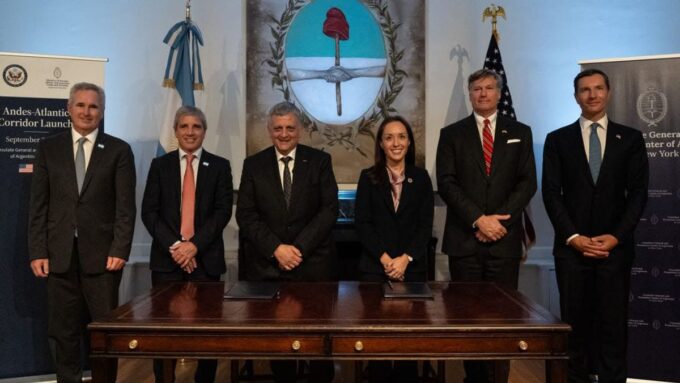
Argentina y EEUU firmaron acuerdo con inversiones de hasta u$s7.000 millones en infraestructura, minerales críticos, energía y sector digital
Según el comunicado conjunto, el nuevo corredor representa un avance en el...
Herakles035 Mins read

Creció 2,4% el empleo en CABA, pero se mantuvo sin cambios la tasa de desocupación: los motivos
La tasa de actividad entre la población de 10 años y más...
Herakles033 Mins read