Pride to take place on November 7 as BA City, LGBTQIA+ community reach agreement
 Buenos Aires HeraldUpdated 2 hours Ago3 Mins read
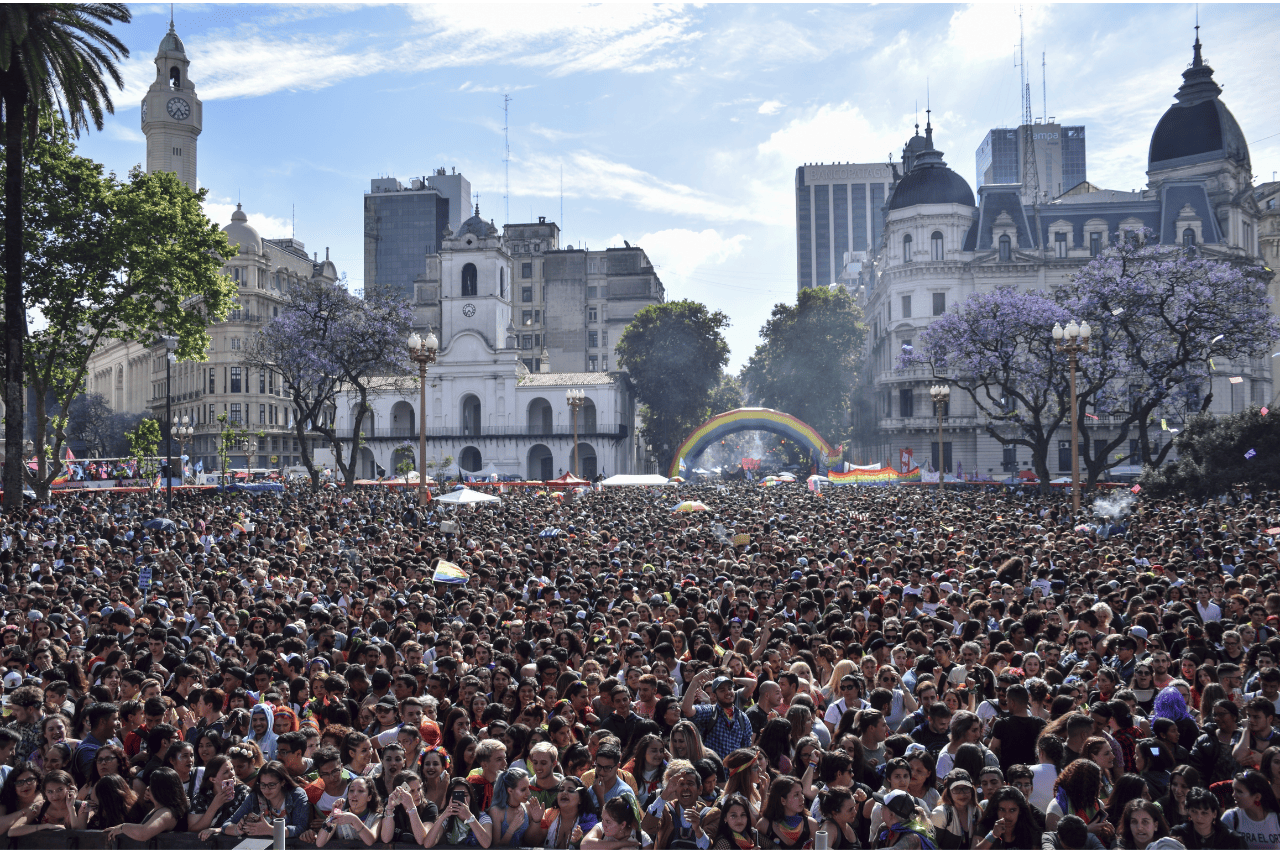

This year’s Pride celebration in Argentina will take place as originally planned on November 7, the Buenos Aires City government and the LGBTQIA+ community announced late on Friday.
The agreement comes after days of negotiations, as the authorities’ initial intent was to postpone the march due to the logistical demands of Pope Leo XIV’s visit to Argentina. The pontiff will arrive in Buenos Aires on November 8, the day after the march, and stay until the 11th.
In a statement published on social media, Pride organizers said that they were able to find common ground for both events to take place thanks to the “openness to talk and agree” shown by both parties.
“Dialogue, organization, and a shared political will show that it was possible to guarantee both events without giving up any right,” the statement read, adding that organizers will “see everybody on the streets” on the 7.
La Marcha del Orgullo se realizará el 7 de noviembre.
Junto al Gobierno de la Ciudad llevamos adelante un trabajo conjunto en el que ambas partes intercambiamos propuestas y alternativas. Gracias a esa capacidad de diálogo y acuerdo, encontramos una solución que permite…
— Marcha del Orgullo 🇦🇷🏳️🌈 (@MarchaOrgulloAR) September 25, 2026 The Buenos Aires City government, meanwhile, confirmed the agreement and released the same statement as Pride organizers.
La Marcha del Orgullo se realizará el 7 de noviembre.
Desde el Gobierno de la Ciudad trabajamos junto a las organizaciones que integran la comisión organizadora de la Marcha del Orgullo para encontrar una solución que permita realizarla y, al mismo tiempo, llevar adelante el… pic.twitter.com/vhDe8c6T9o
— Buenos Aires Ciudad (@gcba) September 25, 2026 The march will take place on November 7 along Avenida de Mayo between 9 de Julio and Congress, where the main stage will be set up.
Tense negotiations On September 17, the Buenos Aires City government announced that it would not authorize any public events in the city between November 6 and 13 due to the logistical demands of Pope Leo XIV’s visit to Argentina, which will take place between 8 and 11.
The decision had caused backlash from the LGBTQIA+ community because the annual Pride celebration, which is traditionally planned for the first Saturday in November, this year is set to take place on the 7th, the day before the pope is scheduled to arrive for a four-day itinerary in the country.
The government’s intent was to postpone the march for November 21, but organizers rejected the proposal, saying that pushing the event back was much more than just “changing dates.”
Fer Albornoz, press representative of the Pride organizers, laid out the implications of what postponing the event would mean.
“Planning has been going on since March. There are 700 fair tents that have made arrangements to be selling at Plaza de Mayo and Plaza de los Dos Congresos that day, plus numerous musical acts and floats,” he told the Herald, adding that many would have to drop out if the event is postponed because they already have commitments for the proposed weekend.
Albornoz also pointed out that the closeness of the two events is important for many LGBTQIA+ community members, pointing to the group “Somos Centu” as a prime example.
“Members of that group, which is part of the march’s organizing committee, are about sexual diversity and spirituality. Many of them are religious and were planning to attend the march and stay to welcome Pope Leo XIV.”
Pride in Argentina The main reason behind the agenda clash is because Argentina’s Pride celebration takes place at a different time than in the rest of the world.
The LGBTQIA+ community internationally celebrates pride in the month of June, culminating in pride marches around June 28. The date commemorates the 1969 Stonewall uprising in New York, a series of clashes between queer civilians and police following a raid on the Stonewall Inn in Greenwich Village.
In Argentina, however, things are different for a very specific reason: weather.
“Our first pride march happened on July 2 [1992] in keeping with Stonewall, but remember that it’s the middle of winter here and it’s very cold,” a representative from the Argentine LGBT+ Federation, a nonprofit that brings together queer organizations from across the country, told the Herald in 2023 for a story on the Argentine march’s history.
“At a time when HIV was battering us, exposing the LGBT community to the streets wasn’t logical. So we immediately started looking for an alternative date in warmer months and found that the first Argentine LGBT+ organization, Nuestro Mundo, was created prior to Stonewall in November 1967, so it was moved.”