Matcha made in heaven: Buenos Aires falls for a new green drink
 Chloe Wellington-HuntUpdated 1 day Ago4 Mins read

Buenos Aires has never been short on caffeine. The classic café con leche at breakfast, an espresso or a flat white at trendy specialty cafés, all while mate keeps being passed between friends. But a new drink has been making its way across the city — and it’s green, too.
Matcha, a powdered green tea traditionally consumed in Japan, has become something of an international obsession. Unlike regular green tea, which is steeped in water, matcha is made from finely ground tea leaves that are whisked directly into the drink, giving it a vibrant green color and its signature earthy flavor. From specialty coffee shops to social media feeds, the drink’s popularity has traveled well beyond its Japanese origins, and Buenos Aires is no exception.
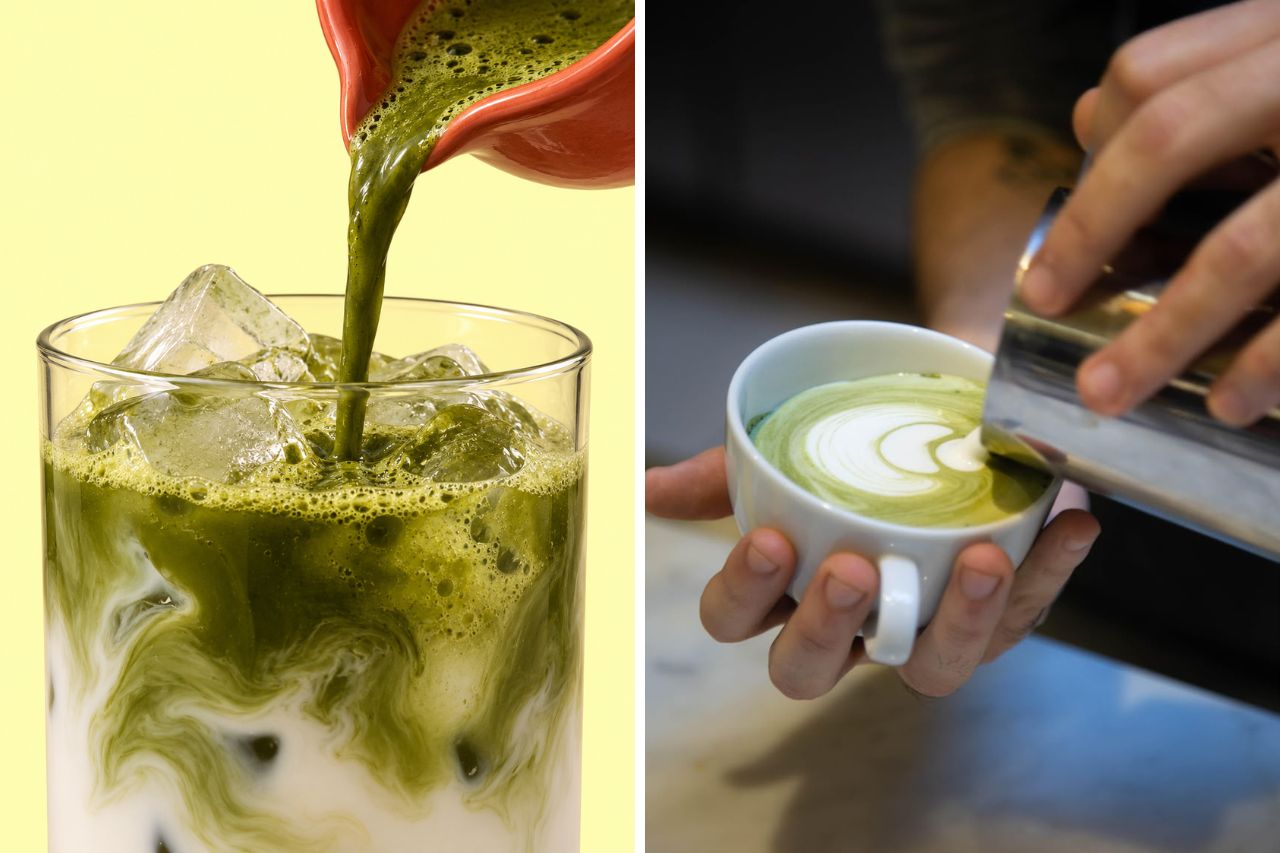
The distinctive flavor has made its way onto ice cream menus, into desserts, and even into cocktails across the city. But it’s the matcha latte, particularly its iced, milk-based version, that has captured the most attention. On TikTok, creators document their searches for the best matcha in Buenos Aires, reviewing cafés, comparing flavors, and sharing recommendations with audiences eager to try the latest green drink.
What was once an unfamiliar item on café menus has become a drink customers actively seek out. And for some of the city’s specialty coffee shops, the change has been remarkable.
For Emiliano Escudero, co-founder of Usina Cafetera, the difference between then and now is striking. “Before, we had to explain what matcha was,” he said. “Now, everyone knows.”
From specialty coffee to matcha Escudero’s cafes have sold matcha since around 2019, before the drink became a familiar sight at local coffee shops. Customers initially asked what, exactly, they were ordering. Some recognized it as Japanese green tea, but its preparation still required explanation.
Now the question is less what matcha is than how to drink it. At Usina Cafetera, it can be prepared traditionally with water or served with milk. The choice, Escudero says, often reveals differences in customers’ tastes.
“Truth is that both Argentines and foreigners order matcha. What might be the case is that foreigners order it much more often with water,” Escudero explained. “On the other hand, Argentines, because of their palate, consumption habits, and the flavors they tend to prefer, usually order it with milk and sweeten it.”
His Recoleta café, which attracts more tourists, sees the highest matcha consumption, although it sells across the chain. With summer approaching, cold versions are particularly popular.
A drink for the Instagram generation? According to Escudero, people in their twenties are especially open to trying unfamiliar drinks. Some want a change from their usual afternoon coffee; others simply like the taste or the novelty. Matcha itself contains caffeine, even if some customers perceive it as an alternative to coffee.
“It’s both things. They like it, but it’s also cool,” Escudero said.
The aesthetics help. A matcha latte offers something visually distinctive from a conventional cappuccino: a bright green drink, sometimes finished with white milk foam or latte art.
“The color green is undoubtedly associated with health, vitality, and things connected to nature,” he said.
Those associations have helped matcha find an audience interested in wellness, from people looking for plant-based drinks to those who see it as part of their post-yoga routine. Its visual appeal also makes it easy to share online, giving cafés exposure.
At ATYPICØ, an Argentine matcha brand, co-founder Catalina Márquez Palacios agrees that digital platforms helped introduce the drink to new audiences. Yet she cautions against confusing online attention with sustained demand.
“Social media can make a trend go viral, but real growth happens when people try the product, enjoy it, and decide to purchase it again,” Márquez Palacios said. “Today, we’re seeing an increasingly diverse consumer base.”
According to both Usina Cafeteria and ATYPICØ, it’s not just Gen-Zers ordering matcha.
“Some people discover matcha because they’re looking for an alternative to coffee, while others are drawn to it out of curiosity,” Márquez Palacios said.
Growing matcha closer to home The story is not limited to Buenos Aires cafés. In Misiones, a province with a long-established tea-growing industry, ATYPICØ is working to give matcha an Argentine identity. The company’s founders began researching its production in 2020.
“We studied the Japanese production model, its processes, and the characteristics tea must have to be transformed into matcha,” Márquez Palacios said. “We wanted to understand the product from its origins and explore how that knowledge could be adapted to the agricultural conditions of Misiones.”
The company says its products are now offered in more than 80 cafés and have expanded to cafés at Iguazú National Park. It has also worked with specialty coffee shops to train people in matcha preparation, including a collaboration with Manifiesto Café’s Academy. Getting matcha onto a menu is one thing; teaching baristas how to prepare it is another.
ATYPICØ has sought customers beyond the coffee counter, too, participating in running-club, fashion and university events. It has also collaborated with Patagonia on a beer made with Argentine matcha — an unlikely example of how far the ingredient has traveled beyond the traditional tea bowl.
A passing fad, or a new ritual? Neither interviewee expects interest to disappear when the latest social media trend fades. Escudero recalls seeing iced coffees and cold brews in New York in 2017, when those drinks were still sold only sparingly in Buenos Aires. Over time, they became part of the local café repertoire. He believes matcha can follow a similar path.
“I don’t think it’s a fad,” Escudero said. “I think it’s here to stay because the same thing happened at one point with cold drinks.”
For Márquez Palacios, the longer-term possibility is bigger than adding one more drink to Buenos Aires menus.
“For us, the project goes beyond a passing trend,” she said. “It’s about demonstrating that Argentina can develop innovative products from its own agricultural traditions, add value at the source, and build a brand with a local identity within a global category.”
The shift from a drink requiring an explanation to one attracting investment suggests matcha is becoming more than a photogenic novelty. Buenos Aires may not be giving up its coffee or mate. It is simply making room for something green.