Congress approves second ‘Fiscal Innocence’ law to attract stashed dollars
 Buenos Aires HeraldUpdated 2 hours Ago3 Mins read
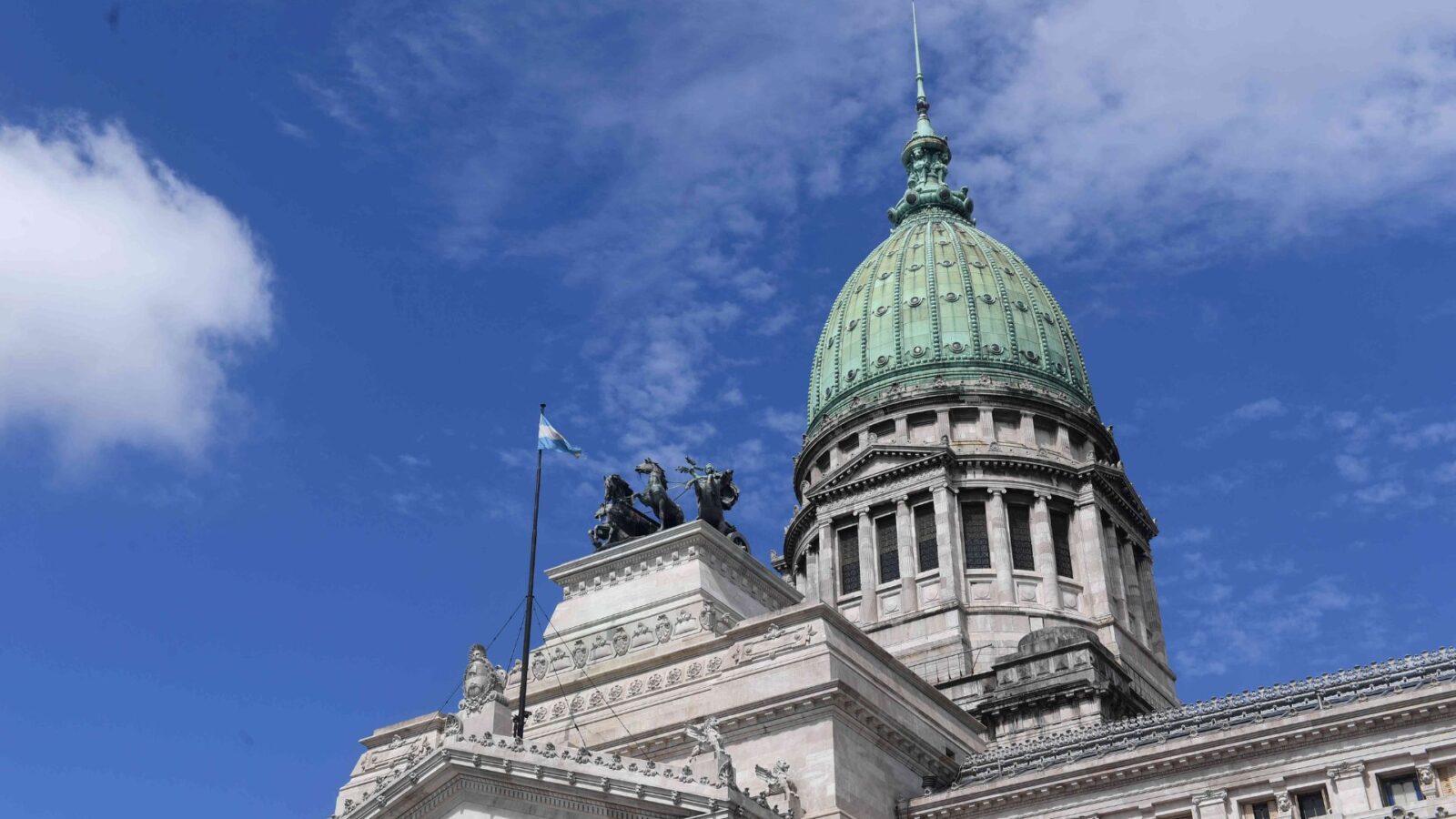

The Senate approved modifications to the government’s Fiscal Innocence law, aimed at encouraging Argentines to bring their stashed dollars into the formal economy with less supervision from authorities. The changes include more tax benefits and fewer restrictions.
The Fiscal Innocence law was initially approved last December. It raised the threshold for tax evasion and applied the principle of innocence to avoid punishing citizens for depositing their undeclared savings in banks without explaining their origins.
However, enrollment in the new system was below the government’s expectations, so President Javier Milei and Economy Minister Luis Caputo proposed modifications to make it more enticing, in the hopes of attracting much-needed dollars into the banking system.
The Lower House passed the changes in late August, and the Senate gave them final approval Thursday night, with 44 votes in favor and 23 against. The bill was backed by La Libertad Avanza and allied blocs PRO and UCR, as well as smaller provincial blocs.
The updated version of the law, known as Fiscal Innocence II, is less strict regarding “significant discrepancies” found when registering sums and lifts income thresholds for those wishing to enter the Simplified Income Tax Regime created in December.
Following its approval in the Senate, presidential spokesperson Adrin Ravier stated: “The bill maintains the spirit of the current regime and incorporates technical amendments, developed in collaboration with tax specialists, to strengthen legal certainty and give Argentines greater confidence in putting their savings to work.”
“With clear rules, savings return to the formal economy and are transformed into credit to finance Argentina’s growth,” the official added.
The government estimates that approximately US$170 billion is currently outside the formal economy.
In addition, the Senate passed a reform of the biofuels law, which benefits provinces that produce sugarcane, corn, and soybeans. The bill raises the mandatory blending levels for bioethanol and biodiesel and establishes a transition period for non-integrated companies. It must now be addressed by the Lower House to become law.
The main changes to Fiscal Innocence The new law establishes a different method of calculating income tax under which taxpayers are not required to file a statement of assets at the beginning or end of a tax year. Authorities must presume that the individual is not evading taxes.
Tax authority ARCA will presume that the assets declared in 2025 are in order, and will also accept those from 2024 and 2023 as valid. If ARCA suspects that a taxpayer is evading taxes, it will have to prove it.
While Minister Caputo initially announced it as a permanent system to formalize stashed dollars without risk, the law sets a deadline of December 31, 2027.
Another change is that large taxpayers with incomes exceeding AR$1 billion (US$653,600) or net worth of more than AR$10 billion (US$65,359,400) will now be able to enroll in the Simplified Income Tax Regime.
However, they will not have the benefit of ARCA assuming previous income statements are correct and could be subject to reviews.
In addition, ARCA will now only declare that a “significant discrepancy” exists between the taxpayer’s returns and the tax authority’s data when there is a difference of 15% or when the discrepancy represents 5% or more of what is considered tax evasion under the Criminal Tax Law. That amounts to about AR$5 million (US$3,200).
If the difference exceeds that amount, the taxpayer will have to amend their tax return and pay the tax plus interest while retaining the benefits of the tax regime.
The scheme also reduces the requirements to report personal assets and expenditures and establishes that lawmakers, judges, executive branch officials including the president will not be eligible for the benefits of the simplified income tax system.
In addition, the bill bans public officials and those who have held office during the previous five years from participating in this system. The law originally allowed public officials to enter the system and receive its benefits, and several members of La Libertad Avanza did so in past months.
The modification to the Fiscal Innocence law now needs to be enacted by the government to enter into force.









La espectacular cámara del telescopio Roman registró su primera foto espacial
La NASA confirmó que el telescopio Nancy Grace Roman acaba de dar un...
 Herakles032 Mins read