Can Vaca Muerta solve a historic problem of Argentine agriculture?
 Juan Marcos PollioUpdated 59 minutes Ago2 Mins read
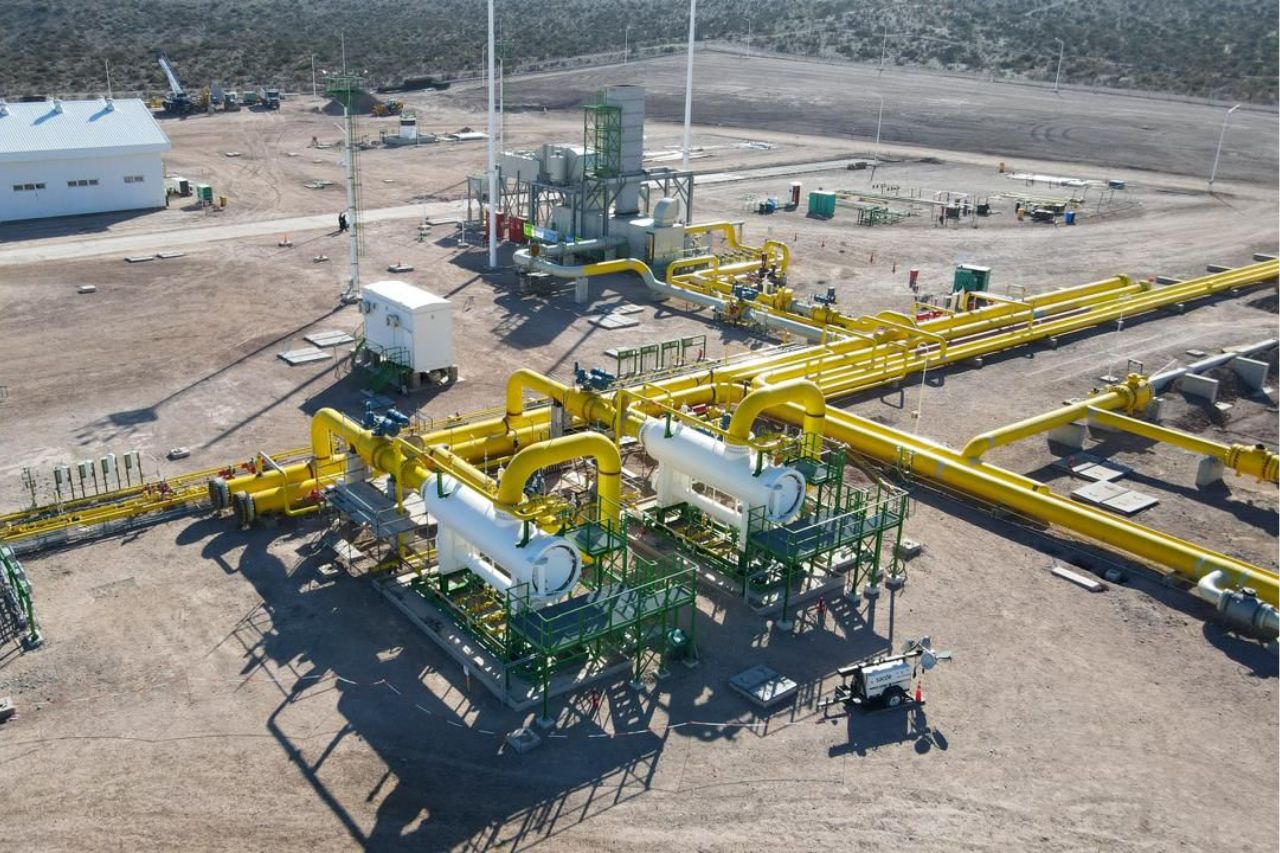

It is well known that the rapid growth of Vaca Muerta is positioning the field to become a central economic engine for Argentina. What may be less well known is that the project also has the potential to address several structural bottlenecks in the Argentine economy.
One of the most unusual, however, is not in the energy sector but in agriculture. More specifically, it concerns fertilizers, since one of the most important ones, urea, is produced using nitrogen, which can be extracted from Vaca Muerta gas.
Last week, the government of Javier Milei approved the entry of Fértil Pampa, an energy project developed by Pampa Energía, into the Large Investment Incentive Regime (RIGI).
The company will invest nearly US$2.7 billion in the construction of a urea plant in Buenos Aires province city of Bahía Blanca.
Two weeks ago, Profertil, the country’s largest fertilizer producer, told investors that it plans to build another urea plant, also in Bahía Blanca.
The significance of the project Agricultural analyst Javier Preciado told the Herald that the developments in the Persian Gulf “exposed the vulnerability of the global agricultural system to energy and fertilizer supply chains.”
Of the 2.3 million tons of fertilizer demanded by Argentina, just under half are imported. These products are sourced from some of the countries involved in the conflict in the Middle East, including Saudi Arabia, Kuwait and Oman.
Preciado added that once the investments by Profertil’s and Pampa are completed, Argentina will produce approximately 4.5 million tons. This amount would not only meet domestic demand but also generate an exportable surplus that could be shipped to Brazil.
“It is extremely important for Argentina and significant for Brazil,” Preciado said, explaining that the neighboring country imports between 7 million and 8 million tons of urea every year.
Brazil accounts for nearly 80% of regional consumption and represents the main potential market for new production.
Preciado also pointed out that one of the advantages for Argentine farmers of producing urea domestically is that it could lower the cost of the input, which in turn would boost farmers’ profit margins.
This is because its price would no longer be determined by the cost of importing it — including the cost of shipping fertilizer from the Middle East — but rather by its export cost, since it would be manufactured domestically.
The agricultural analyst said that this production could come onlineer over the next six years and would allow Bahía Blanca to become South America’s largest nitrogen fertilizer hub.
“It will be important regionally,” Preciado stressed.
To illustrate his point, the analyst noted that Argentina has unrestricted access to the Atlantic ocean from a region “without war scenarios.” He also added that the country is a “guarantor of global food security” because of its large-scale production of oilseeds and grains.
In 2025, the MERCOSUR countries and Chile imported a combined 10 million tons of urea per year, worth approximately US$4 billion, according to a recent study by the Latin American Energy Organization (OLADE) and the Development Bank of Latin America and the Caribbean (CAF).
The same study also emphasized that the availability of this input “is strategic” for a region that exports more than US$250 billion worth of agricultural products each year.