Argentine referee accuses Estudiantes president of insults, threats
 Fernando Romero NunezUpdated 11 hours Ago3 Mins read
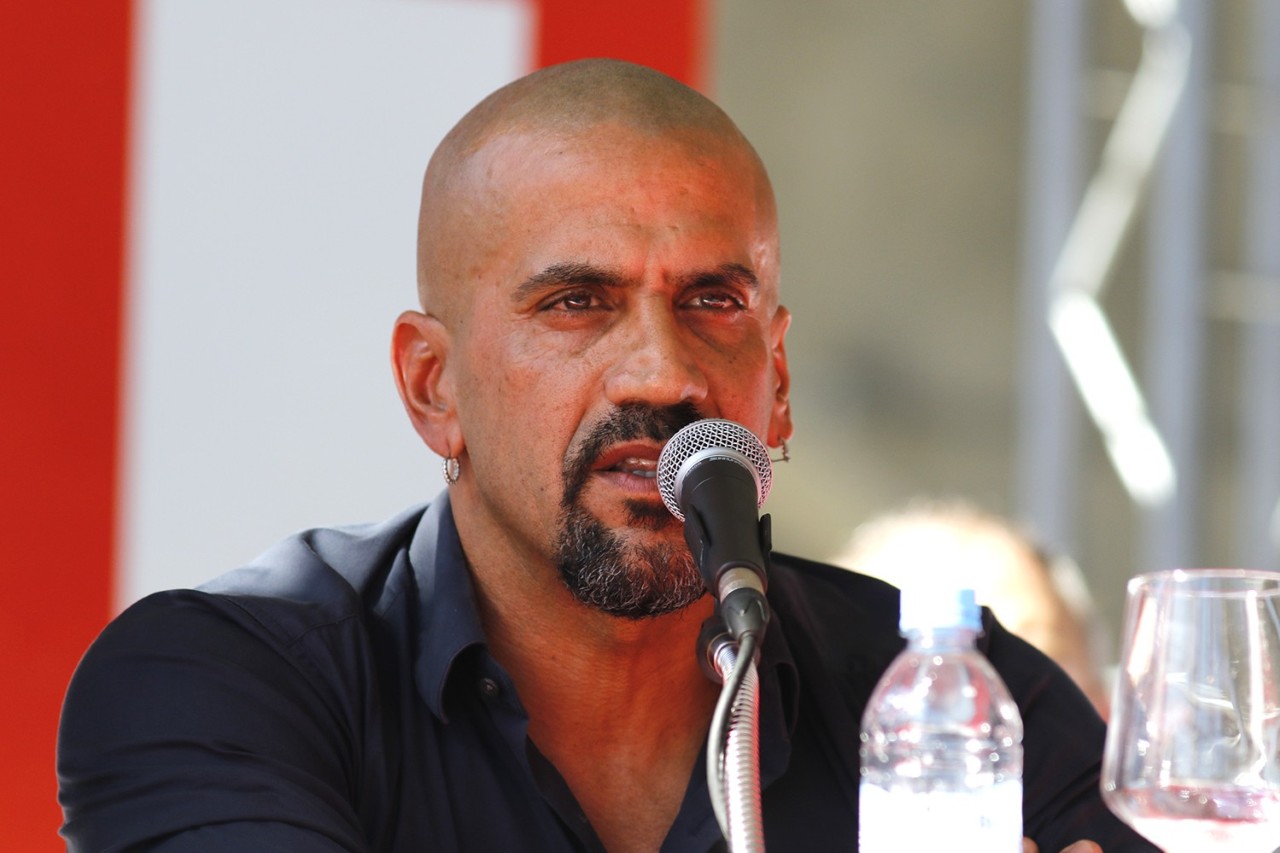

Estudiantes de La Plata president Juan Sebastián Verón could face a harsh sanction from the Argentine Football Federation (AFA) after a report by referee Darío Herrera claims he insulted him during the Supercopa Internacional final on September 26.
The match, which saw Rosario Central win 3-1 to take the title, ended in a brawl after the third goal was scored in the 97th minute of added time, following controversial refereeing.
Celebrations following sparked confrontations among the players on the field, and substitutes rushed onto the pitch immediately, with coaching staff stepping in to separate them. Tensions later spilled into the tunnels, where players from both sides traded shoves and punches.
After the brawl, Rosario Central’s Agustín Sández and Estudiantes’ Fabricio Iacovich were sent off.
Verón’s fury and the refs’ report During the brawl, Verón was seen entering the pitch to confront Herrera. According to Argentine sports outlet El Gráfico, the referee made it clear in his report that the interchange included insults and threats.
“[Verón] entered the pitch without authorization and began verbally insulting the entire refereeing team,” Herrera wrote.
He added that Verón, who played for the Argentina national team between 1996 and 2010, called the refereeing team “sons of bitches” (hijos de puta) who “needed to be killed” (hay que matarlos a todos) while accusing them of “obeying orders” (ustedes vienen mandados).
According to Herrera, Verón had to be restrained by the police and security staff as he tried to “physically attack” the refereeing team. The ref added that the club president “incited verbal violence” from other Estudiantes de La Plata authorities.
Verón could be heard on TV accusing the referee of being “a thief” and saying the brawl was “all on [Herrera].”
Talking to the press after the match, Verón said that he didn’t “take anything away from [Rosario] Central” but that “there was something else at play here that pushed the match to this point.”
He went on to congratulate the Estudiantes players because “it’s difficult to play in this kind of environment, where you’re constantly constrained.”
The former footballer had already voiced his frustration with a series of stories on his Instagram account, accusing the organization of mistreating Estudiantes fans and of the “impunity” on display.
“Why even bring us out here for this. A ridiculous performance,” he wrote.
A controversial afternoon Herrera’s refereeing proved highly controversial, with three plays sparking the ire of Pincha fans and players.
In the first half, Herrera awarded a penalty for a Leandro González Pírez foul on Enzo Copetti following a VAR intervention.
Estudiantes furiously protested the decision, but VAR Jorge Baliño argued that the defender acted with “recklessness.”
Ángel Di María converted the spot-kick to put his side 2-1 ahead.
In the second half, the ball hit the hand of Rosario Central defender Ignacio Ovando, following a header in the box by Estudiantes striker Adolfo Gaich in the 45th minute.
Despite penalty appeals from the entire Estudiantes squad, Herrera and the VAR said “no clear angle,” which proved there was an unnatural extension of the arm or a deliberate movement, a requirement for sanctioning a penalty kick.
Moments later, Estudiantes defender Tomás Palacios was brought down inside the box by Rosario Central’s Franco Ibarra, but match officials said the contact was not enough to rule as a foul.
Baliño wants critics to ‘go to court and prove it’ The match’s VAR Baliño discussed the events on Monday during an interview with radio outlet La Red.
The referee said that public perception of referees is largely shaped by “a narrative” pushed by the media and “certain figures who fabricate situations without a shred of evidence.”
“If they had proof, they should go to court and demonstrate it,” said Baliño in what appeared to be a veiled dig at Verón. “Once an idea takes hold in the football world, it’s very hard to uproot.”
He insisted that comments like Verón’s “contribute nothing at all,” and that the criticism of referees needs to be “toned down.”
“If I make a mistake, I’m corrupt; if a player misses an open goal, he just had a bad day or a bad night. It doesn’t seem fair to judge the participants of the game so differently,” he said.
A history of controversy It’s not the first time that accusations of favoritism and refereeing help have sparked in Argentine football.
In November 2025, Tapia was in the spotlight over allegations that the AFA benefits some clubs over others after Rosario Central was awarded a controversial new trophy for finishing first in the annual table.
Estudiantes de la Plata was later sanctioned after turning their backs during a salute they were ordered to do in honor of their opponents in their first matchup.
At the time, the snub was celebrated by President Javier Milei, who had previously clashed with Tapia over government proposals to privatize football clubs — something only Estudiantes backed.
Tapia has been accused of favoring certain clubs, including one he presided over in the past, Barracas Central — now led by his son Matías — which has benefited from controversial referee decisions.