The western and northern provinces of Argentina have reason to be optimistic when they look at the projects that the Incentive Regime for Large Investments (in Spanish, RIGI) has greenlighted.
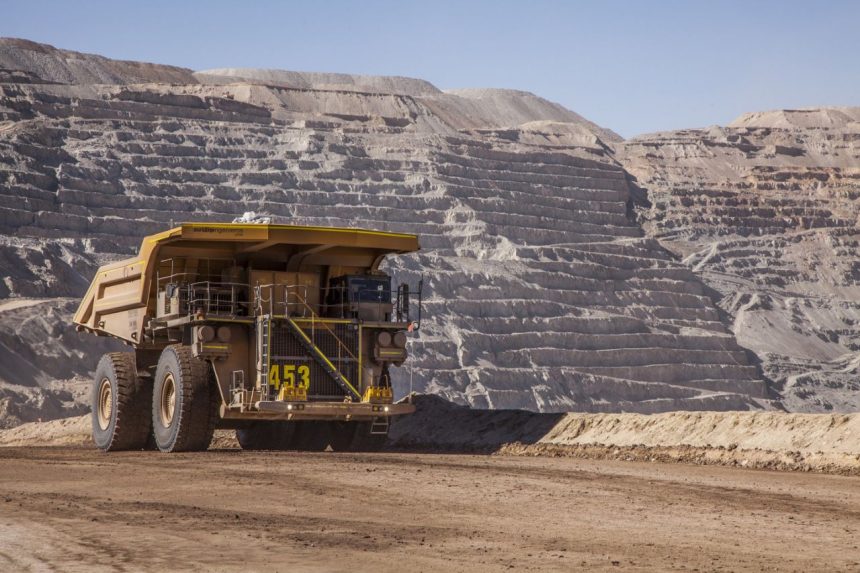
Out of 21 approved investments, 12 are in the mining sector. Located in the provinces of Mendoza, San Juan, Catamarca, Salta, and Jujuy, these projects are expected to involve an investment of over US$21 billion.
Official estimates suggest that lithium, copper, gold, and silver mining projects would also help create over 65,000 direct and indirect jobs. Furthermore, Deregulation Minister Federico Sturzenegger predicted that, in the coming years, mining ventures would cause one million people to migrate to Catamarca and another 800,000 to San Juan.
In the meantime, however, these provinces are suffering from severe economic hardship.
According to a recent study by Austral University based on the latest official data, economic activity in those five provinces fell 4.2% year-over-year in May, with a monthly decline of 2.3% compared to April.
Despite showing a 1.9% increase in the first half of 2026, accumulated economic growth year-to-year for the same time period remains down 1.2%.
Like much of the rest of Argentina, the most severe challenges stem from three issues that the Milei administration has been unable to resolve: high levels of informal employment, stagnant wages, and steadily rising household debts and debt delinquency.
A three-headed problem
According to consulting firm Politikón, informal employment in Greater San Juan stood at 60.9% during the first quarter of 2026, making it the metropolitan area that has been hit the hardest
Jujuy and its surrounding areas also have a high informality rate, with 54.7% of all workers. A similar situation is seen in Mendoza (52.3%) and Salta (51%), while Catamarca (45.1%) is the only region below the 50% threshold.
For comparison, informality in the Buenos Aires Metropolitan Area stands at 47.4%. The national average is 44.2%.
Wages are also comparatively worse. Private sector salaries in all five provinces are below the national average registered in the quarter of 2026, which was AR$2,207,129 (US$1,452, at the official exchange rate).
- Catamarca: AR$1,826,270 (US$ 1,201)
- San Juan: AR$1,798,580 (US$ 1,183)
- Salta: AR$1,786,369 (US$ 1,175)
- Jujuy: AR$1,780,179 (US$ 1,171)
- Mendoza: AR$1,628,096 (US$ 1,071)
This situation coexists with high levels of household debt and debt delinquency.
A study by the consulting firm Eco Go and Austral University estimated that Catamarca had the highest level of debt (11.9%) in all five provinces for June. San Juan, meanwhile, had the lowest (7.3%).
Regarding debt delinquency, all five are above the national average of 17.5% of total credit.
Catamarca once again ranks first, at 21.8%, followed by San Juan (21%), Salta (19.4%), Mendoza (18.9%), and Jujuy (18%).