Argentina LNG could be an economic turning point. It’s also an urban challenge
 Juan Marcos PollioUpdated 1 hour Ago3 Mins read

Argentina LNG is a major energy project that would enable the conversion of unconventional gas from the Vaca Muerta field into liquefied natural gas (LNG) for export.
With a US$51 billion investment, the initiative — led by state-owned oil company YPF in partnership with Italy’s Eni and the UAE’s XRG — would position Argentina as a global energy supplier. It is projected to start operations between 2027 and 2028.
The project would mark a turning point for the Argentine economy. It also poses an unprecedented urban and demographic challenge.
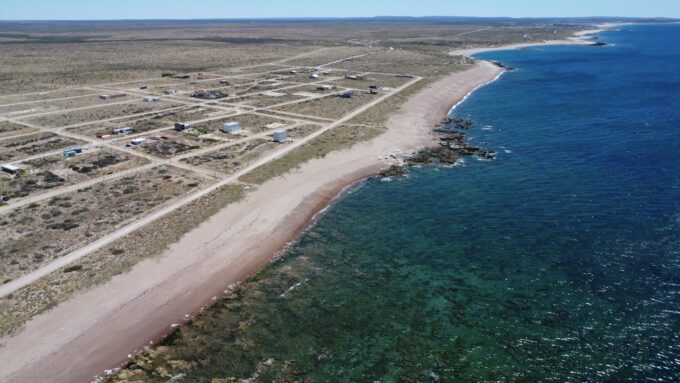
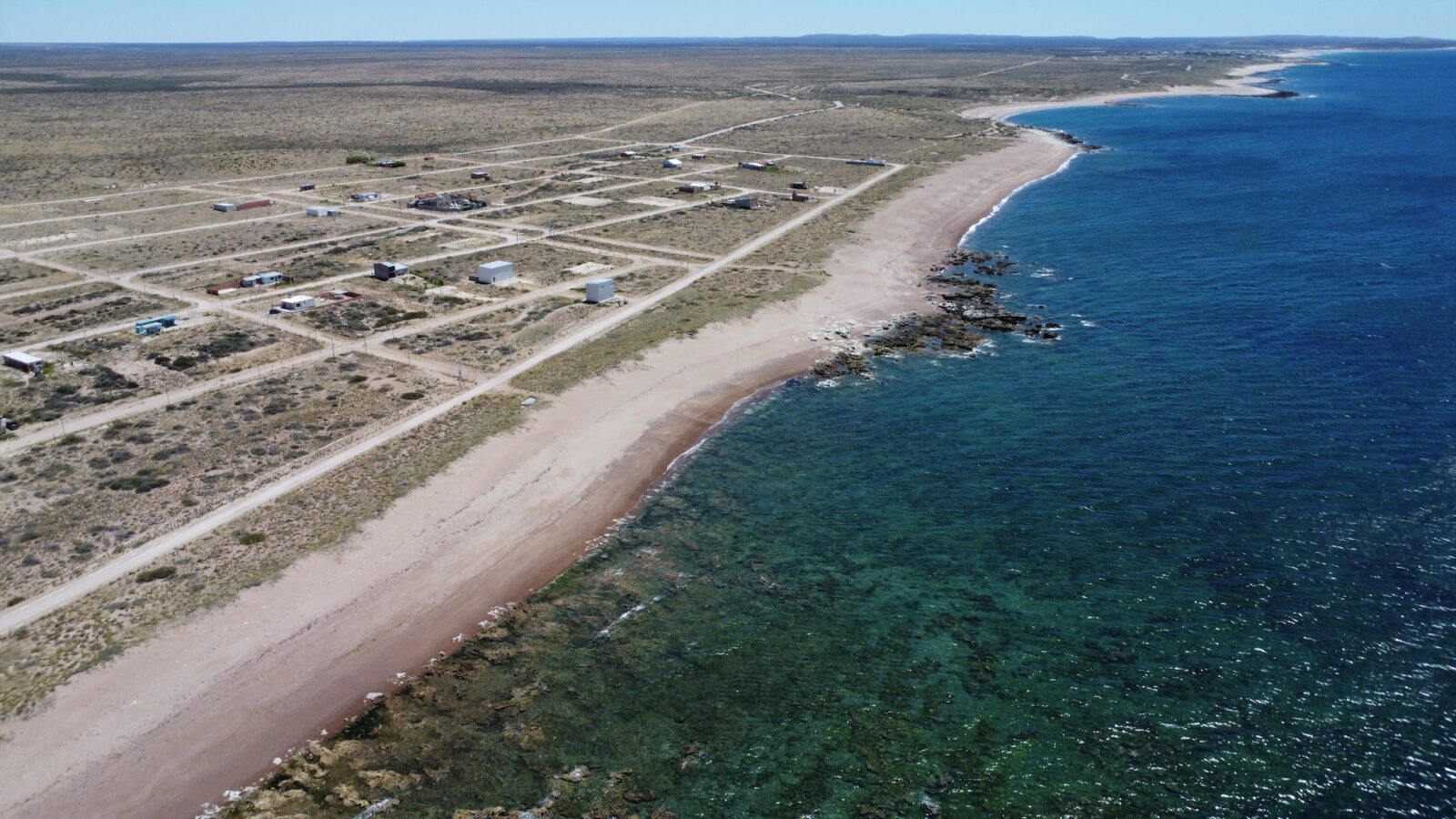
According to the 2022 census, Punta Colorada, a town near the Gulf of San Matías in Río Negro province that will serve as the epicenter for the project, had only 4 residents. Once home to an iron mine and a small export port, it will now need to adapt quickly to a new reality before it is too late.
The most similar recent precedent to the Punta Colorada case is that of Añelo, the town closest to the Vaca Muerta oil field.
Because there was no urban planning, the project’s development and the massive influx of people led to the saturation of existing infrastructure, as well as operational inefficiencies, cost overruns, and limitations in capitalizing on the area’s economic potential.
In an effort to provide a solution to this problem, the Laboratorio de Ideas Sostenibles — an urban innovation team supported by the Harvard Innovation Lab — drafted a master plan for the area.
The document, a non-binding private initiative developed in collaboration with Grupo Terbay, proposes a strategic framework and visual guide for how the space could be developed and organized in the long term.
Avoiding the mistakes of the past The project infrastructure required for Argentina LNG involves laying pipelines to connect the 437 kilometers separating Vaca Muerta in Neuquén from Punta Colorada, located on the coast of Río Negro province.
In the town, marine terminals will be installed to serve as floating liquefaction units (a future expansion phase calls for these to later be converted into onshore facilities). The gas will then be exported through the port via ships.
Unlike the case of Añelo, the researchers stated that the Punta Colorada project should be conceived as a “new territorial hub planned from the outset.”
Their proposal for the development of Punta Colorada is structured around three pillars: production — planning logistical and industrial support linked to the energy system — tourism — aimed at diversifying the town’s economy — and environmental, integrating the natural environment as a strategic asset.
Keys of the plan Joaquín Tomé, director of the research center in charge of the proposal, told the Herald that Argentina LNG will not only export hydrocarbons but also create “added value” for Punta Colorada.
Given that the Gulf of San Matías region is home to a wide variety of natural flora and fauna, nature-based tourism is a sector that could benefit.
Tomé noted that there is an ecotone bordering Punta Colorada. This is a natural transition zone where two different ecosystems meet and intermingle. In this particular case, there is a very rare type of algae that can only be found in seven locations worldwide.
“The urban development proposal also takes into account the area’s environmental value, which we aim to preserve as a top priority to enhance the environment as well as tourism,” he stated.
Tomé acknowledged that developing an activity related to hydrocarbons near a region with such a high level of biodiversity entails a certain degree of environmental risk.
“The probability isn’t zero, but it is quite minimal because these types of operations are generally very tightly controlled,” he clarified.
The study estimated that the maximum population that could eventually live in Punta Colorada is around 25,000 residents. The socioeconomic profile of the area would be higher than that of neighboring towns due to the high wages earned by oil workers.
Tomé explained that, while they cannot yet estimate how many people will arrive on the vessels that will load the gas for export, the move will entail “significant population movement from the ships to the mainland for various types of activities, whether recreational or service-related.”
Are all rural towns with natural resources poised for big leaps? Projects to exploit natural resources, such as Argentina LNG, are emerging throughout Argentina. This means that other towns and cities across the country may suddenly find themselves needing to adapt quickly to abrupt change.
Many of these projects are linked to the mining of minerals such as lithium and copper in the northern provinces of Argentina that border the Andes mountain range.
“I believe there are some opportunities, both in San Juan and in Catamarca, where there is intensive mining activity,” Tomé said regarding the possibility of replicating the Punta Colorada initiative.
However, he doubted that there is “a flood of cities with 25,000 people in Argentina similar” to Punta Colorada.
Tomé based his reasoning on the fact that the export of mining products does not involve the same technological complexity as oil and gas do.
His statements cast doubt on remarks made a few months ago by the Minister of Deregulation, Federico Sturzenneger, one of the cabinet members most aligned with President Milei’s economic ideas.
Sturzenegger stated recently that mining investments over the next thirty years would attract one million new residents to Catamarca, while San Juan would gain around 800,000 residents.
Cover photo: Aerial image of Punta Colorada (courtesy Grupo Terbay).