Argentina and the US sign US$7 billion ‘Andes-Atlantic Corridor’ initiative
 Buenos Aires HeraldUpdated 1 hour Ago2 Mins read

Argentina and the United States announced Wednesday the Andes-Atlantic Corridor initiative, a bilateral project aimed at investing up to US$7 billion in 2027 to develop strategic infrastructure.
The agreement was signed in New York by Foreign Minister Pablo Quirno and U.S. Deputy Secretary of State Christopher Landau.
The deal focuses on energy, mining, transport, and telecommunications projects, with the aim of improving connectivity between Argentina’s main productive centers in the Andes region and Atlantic ports, from where products can be shipped to Western markets.
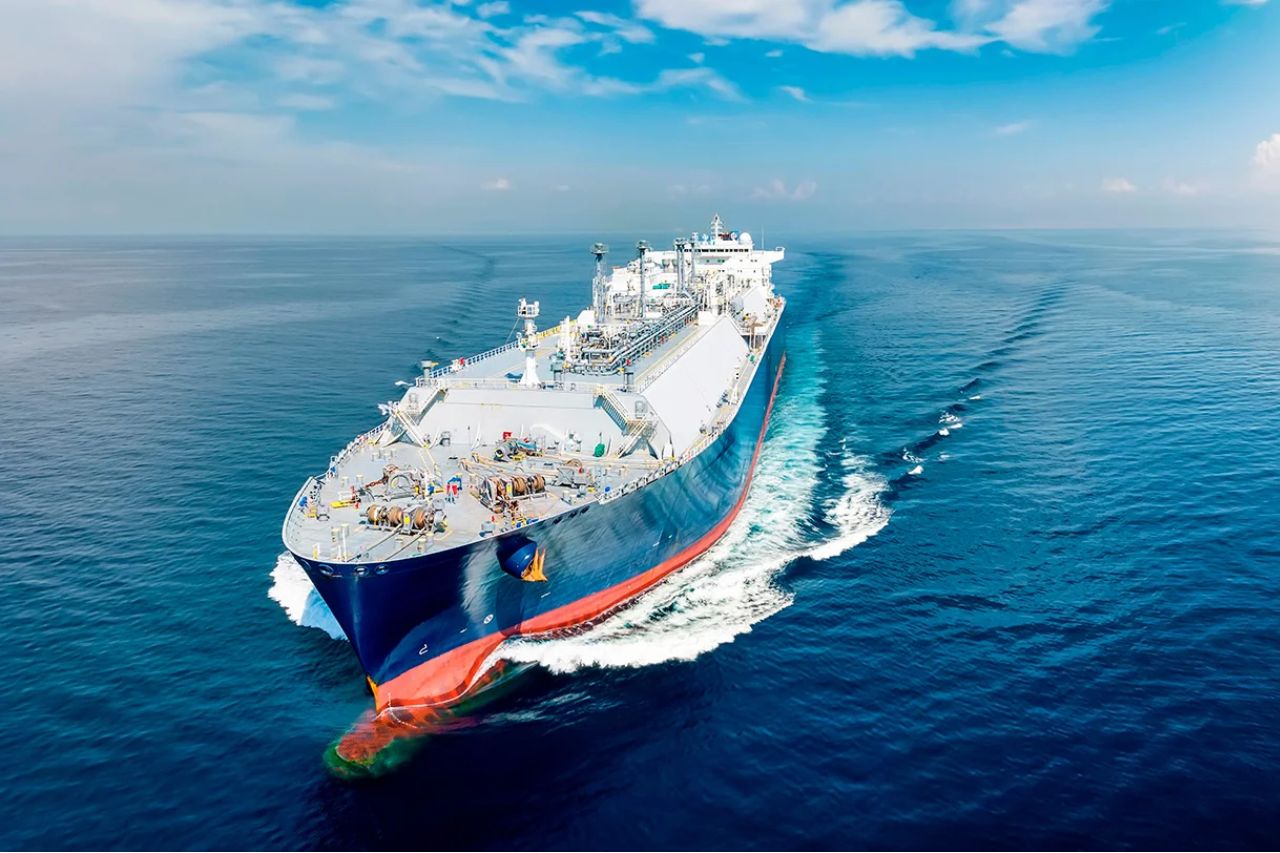
Of the US$7 billion in financing, US$6 billion will go to Argentina LNG, the Vaca Muerta gas export project spearheaded by Argentina’s majority state-owned energy company, YPF, alongside Italian multinational energy company ENI and Abu Dhabi state-owned oil company XRG.
In August, YPF filed to place the project under the country’s Large Investment Incentive Regime (RIGI, by its Spanish initials), a special tax, customs, and foreign exchange regime that offers investors several fiscal and foreign exchange benefits.
The remainder will be distributed among projects tied to critical minerals, transport, and telecommunications.
New financial mechanisms The agreement provides financial mechanisms to encourage U.S. companies to participate in Argentine infrastructure projects.
Financing will draw on tools provided by EXIM, the Export-Import Bank of the United States, and the DFC, the U.S. International Development Finance Corporation.
It will also mobilize U.S. private capital through direct loans, credit guarantees, and insurance, as well as technology, machinery, and services related to energy development.
Argentina committed to continuing to strengthen its legal and regulatory framework for investments and establishing predictable rules for infrastructure concessions, with RIGI as a primary vehicle for attracting capital to mega-projects.
Developing infrastructure The project envisions investments in pipelines, transport, power generation and transmission, and other works designed to ease bottlenecks limiting energy export growth.
The agreement also aims to identify priority projects for the rehabilitation and expansion of railways, waterways, and ports.
Key areas for development include the Paran-Paraguay waterway system and rail lines slated for privatization, such as Belgrano Cargas. A rail link connecting shale oil and gas field Vaca Muerta to the port of Baha Blanca is also under evaluation.
Other focus areas include development projects focused on the extraction and processing of critical minerals, such as lithium and copper; electricity generation and transmission projects; telecommunications expansion; fiber-optic networks and submarine cables; initiatives involving the state satellite firm Arsat; and the deployment of technologies deemed reliable for strategic infrastructure.
With information from mbito





Las cuatro claves que complican la meta de crecimiento de la economía del Presupuesto 2027
El ministro de Economía, Luis Caputo, tiene una mirada para 2027 algo...
 Herakles032 Mins read

Cuánto cuesta viajar al GP de Brasil en Interlagos para ver a Franco Colapinto
El interés por la Fórmula 1 disparó las búsquedas desde Argentina y...
Herakles033 Mins read

EMAE: el INDEC publica el dato de actividad económica de julio y los analistas anticipan una caída
Luego de un junio al alza, las proyecciones privadas calcularon que la...
Herakles032 Mins read