An unusual October boom: Agricultural exports reach 25-year high
 Juan Marcos PollioUpdated 44 minutes Ago2 Mins read
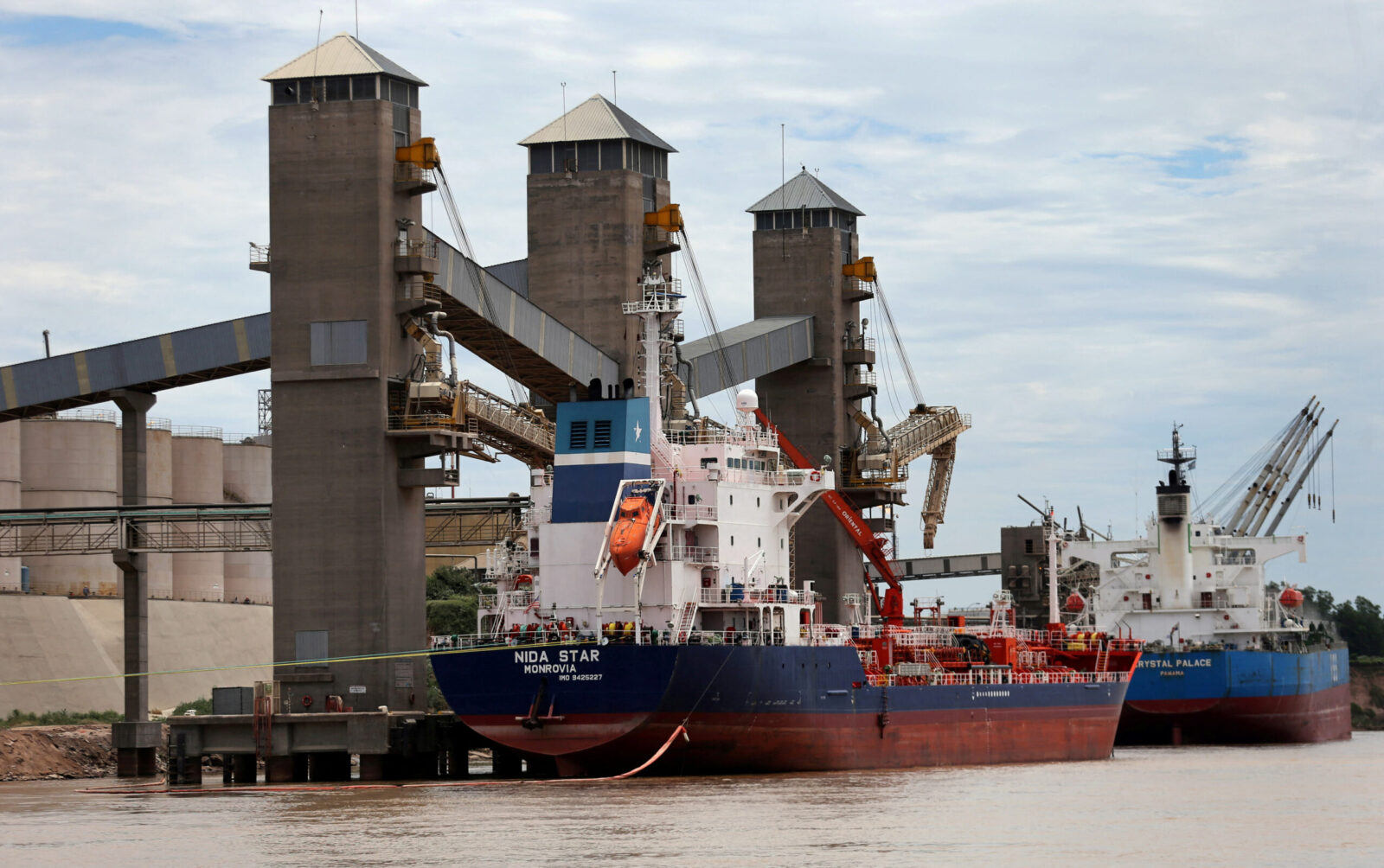

Exports of raw materials are the main engine of Argentina’s economy under Javier Milei’s administration. While the oil and gas and mining sectors have gained considerable ground in recent years, agriculture continues to play a central role.
According to data from official statistics agency INDEC, primary products and agricultural manufactures accounted for more than half of Argentina’s exports, totaling US$38 billion between January and September 2026.
It was against this backdrop that agricultural exports generated a total of US$2.8 billion last month, making it the strongest October in the past 25 years, according to the Chamber of the Oil Industry and the Grain Exporters Center (Ciara-CEC).
Although the figure represented a 10% month-on-month decline compared with September, it marked a massive 157% year-on-year increase.
The explanation lies in the Milei administration’s temporary removal of export taxes in September 2025, which triggered a massive influx of foreign currency that month before exports and foreign currency inflows dropped sharply in October.
A more stable flow of foreign currency Agricultural analyst Javier Preciado told the Herald that this year has seen a “normalization” of agricultural exports, as the government has not introduced incentive programs to encourage exporters to sell their foreign currency earnings, unlike last year and during Alberto Fernández’s administration.
“You don’t have those economic policy measures putting pressure on producers to sell,” he said.
Preciado also noted that another factor contributing to this stabilization was that producers have not been stockpiling grain, as they do not appear to expect a sharp increase in the dollar exchange rate over the coming months.
“Producers also don’t see a scenario in which they think, ‘Everything is going to fall apart next month and the dollar is going through the roof, so I’d better hold off on selling.’ Since neither of those things is part of the current outlook, the flow is normal,” he said.
Nevertheless, Preciado acknowledged that the high level of exports recorded this year is also linked to geopolitical factors.
“The war in Ukraine has caused wheat and corn exports to surge at this time of year, which is unusual,” he said.
He pointed out that a series of Russian attacks on “agro-industrial and logistics targets” in Ukraine disrupted grain trade in the Black Sea region, generating “strong demand for Argentine wheat.”
“There were also more exports to Indonesia than to Brazil, which is highly unusual,” he added.
The surge in export volumes even helped offset the decline in international prices for commodities such as corn and soybeans, which hit two-month lows, according to data from the Rosario Board of Trade (BCR).
The outlook ahead Preciado said that, while there will be a decline in January and February, this outcome is the result of the typical seasonality of these crops.
“We are within a normal pattern,” he added.
Despite weather-related changes associated with the El Niño phenomenon, initial projections for next year estimate that the 2026/27 harvest could reach a new production record, potentially boosting the inflow of foreign currency into an economy that badly needs it.
Next year will be an election year, and Milei, who is seeking reelection, will have to contend with nearly US$25 billion in debt maturities amid continued uncertainty over how the government will finance these payments.