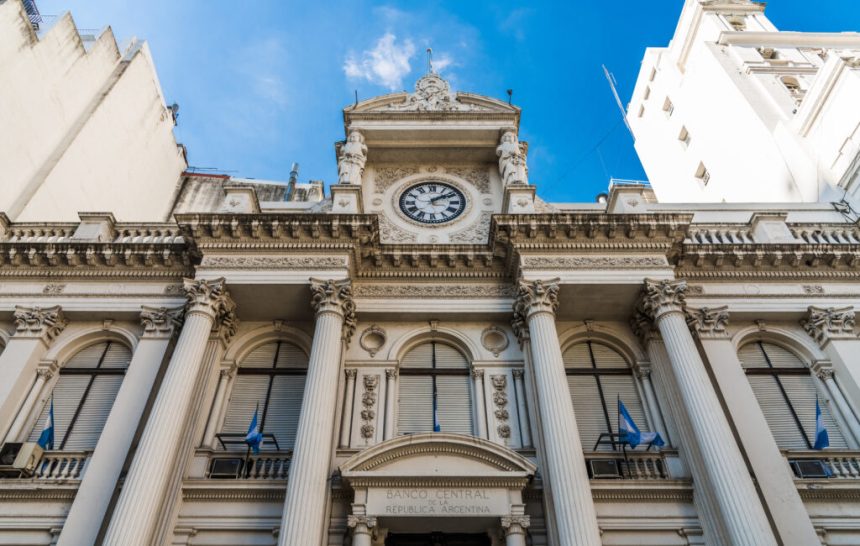
The People’s Bank of China (PBoC) and the Central Bank of Argentina (in Spanish, BCRA) signed a renewal of their bilateral currency swap agreement for a total amount of RMB130 billion (approximately US$13 billion).
Unlike previous agreements, the new deal extends the maturity of the swap from three to five years. According to the official announcement, the longer term is intended to provide “greater predictability regarding the continuity of this instrument.”
The activated RMB35 billion tranche (approximately US$5 billion), first drawn at the beginning of 2023, will remain in effect.
“Its purpose is to support financial stability in Argentina and promote trade and investment between the two countries,” the BCRA said.
The monetary organism, headed by Santiago Bausili, added: “The renewal of the agreements reinforces the close cooperation between our two institutions and the excellent relationship they have maintained over the 17 years since the first agreement.”
The swap arrangement, in place since 2009 and renewed periodically, is one of the BCRA’s main tools for strengthening international reserves and managing foreign-currency liquidity.
How the agreement works
The swap allows the Central Bank to operate under two modalities. The first involves onshore accounts, where funds remain within China’s financial system and benefit from lower financing costs.
The second is the offshore modality, which allows yuans to be converted into U.S. dollars for use in international transactions, providing greater flexibility in reserve management.
In practice, the swap functions as a currency exchange line between the two central banks. Argentina can access yuan to carry out authorized transactions, such as paying for imports, without drawing on its own U.S. dollar reserves. In exchange, the BCRA provides pesos to its Chinese counterpart and must later reverse the transaction, plus interest.
According to Bausili, the activated portion of the swap can be used without requiring additional approvals, making it an important tool for the central bank’s liquidity management.
The debate over the future of the swap comes as the Argentine government pushes forward with a reform of the BCRA’s charter, which lawmakers are expected to begin debating in August.
Originally published in Ambito.