Inside Vaca Muerta: a boomtown, millionaire wages and talent shortages
 Nazarena LomagnoUpdated 3 hours Ago6 Mins read
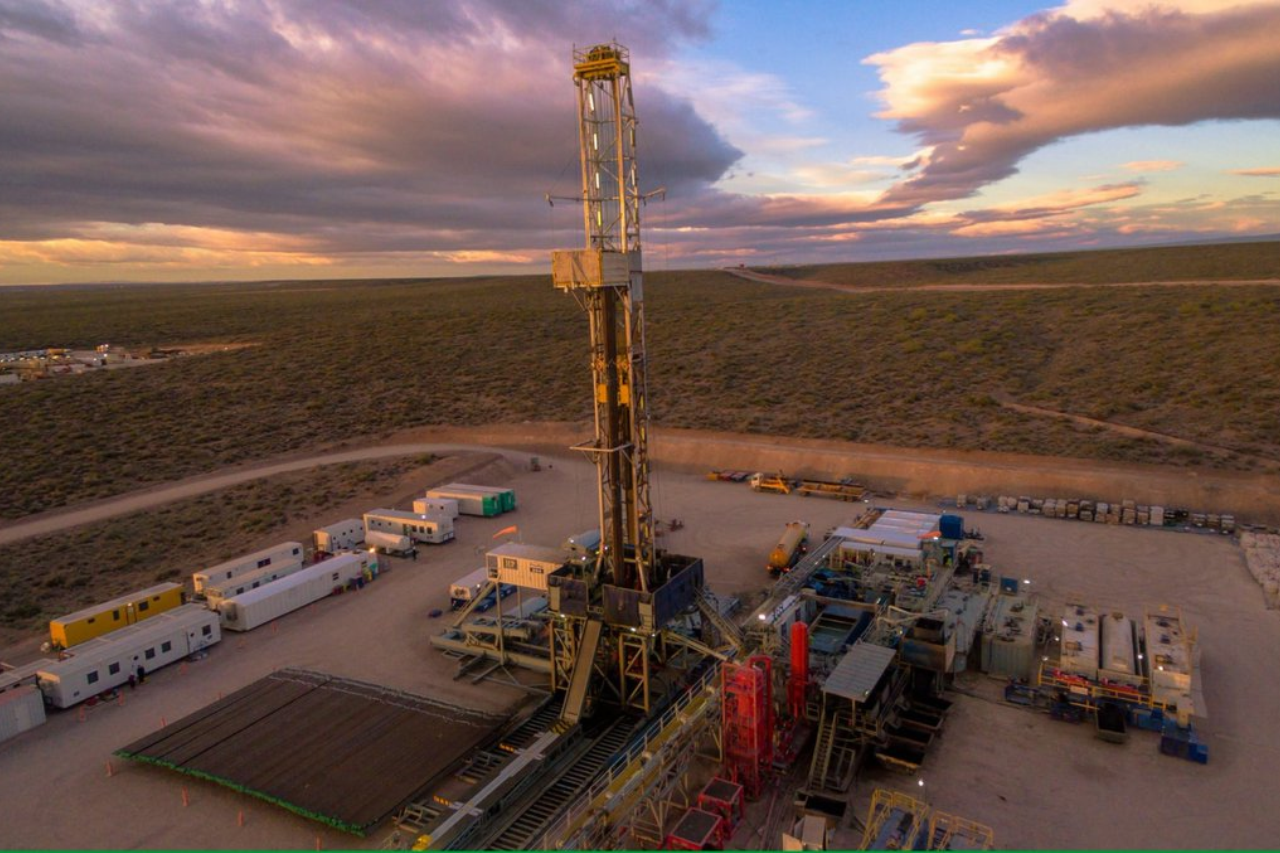

From 6 p.m. onward, the cold intensifies, and the wind throws you off balance as you walk. It is the same old wind that has blown across the Neuquén plateau for centuries, the one that for decades made Añelo just another town deep in Patagonia, with its small farms, goats, and seasonal grazing lands.
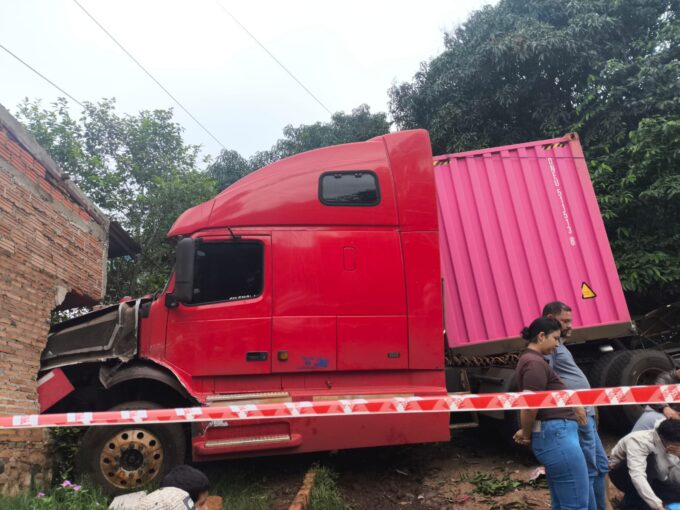
Nothing in that scene foreshadowed the endless caravan of trucks loaded with sand, pipes, and equipment traveling along Provincial Route 7 toward the oilfields.
Beneath the town lies the crown jewel of the Neuquén Basin: Vaca Muerta, the unconventional oil and gas formation that has become Argentina’s main source of dollars.
According to June data, it produces more than 915,000 barrels of oil per day, with output expected to approach the one-million-barrel mark by the end of the year.
Extraction grew 26.4% year over year. As a result, crude oil export sales totaled US$5.722 billion between January and July, up 59.2% from the same period in 2025.
In the middle of the vast Neuquén desert, at the heart of Vaca Muerta, lies a town experiencing the full contradictions of development: dozens of stray dogs roam the streets while enormous urban potential remains untapped.
In 2023, paved roads covered barely 12 blocks. A paving plan launched in 2024 expanded that figure to 12,280 meters in 2025, with another 5,000 meters expected by late 2026.
Parts of Añelo still lack sewage networks and natural gas, but public works are advancing under an urbanization plan developed jointly with companies operating in the formation.
Mayor Fernando Banderet maintains that the municipality is changing and that Añelo will be a different place in three years.
The ongoing projects are intended to prove him right: preparations are underway for a water treatment plant, the sewage network is expanding, and private-sector plans include two shopping centers — one with an indoor private school — a riverside recreational boardwalk, a five-star hotel with a facade modeled on the United States’ White House, hospitals, schools, and judicial buildings.
“By 2030, around 50,000 residents will live in the city,” Banderet says.
The inevitable question is whether moving to Añelo in search of work is worth it. The Herald’s sister publication Ámbito toured the municipality to try to find an answer.
Unprecedented growth Today, Añelo is a land of opportunity for those who arrive with a certified trade, a profession related to the hydrocarbon sector — or an adjacent field such as construction — or a business venture expected to pay off in the medium to long term.
However, arriving on a whim, with a family and no plan, is becoming less viable by the day. That is partly because so many people have already made the move and partly, paradoxically, because of everything that still needs to be built.
The numbers help explain why. The department encompassing the town grew 68.4%, from 10,786 inhabitants in 2010 to 18,166 in 2022, the largest increase in the province.
Within the town itself, the population rose from 6,477 to more than 12,000, while 30,000 people pass through daily.
Furthermore, according to the report “Vaca Muerta: Employment, Migration, and Infrastructure Works,” published in September by the Neuquén Association of Chemical, Petrochemical, and Related Companies (QPQ, in Spanish), the province as a whole grew 28.9% over the same period, from 551,266 to 710,814 inhabitants, compared with a national average of 15.24%.
Neuquén ranks as the country’s second-fastest-growing province, behind Tierra del Fuego.
High demand for skilled labor A few kilometers from Añelo, Ámbito toured Loma Campana, the oilfield that turned Vaca Muerta from a geological promise into a productive reality.
Operated by majority state-owned oil and gas company YPF in partnership with U.S. oil firm Chevron since 2013, it was the first large-scale shale oil development outside North America and has become one of Vaca Muerta’s standout assets, accounting for nearly 12% of all crude oil extracted nationwide.
Technology accounts for much of that output. Wells are drilled in an L shape, with horizontal branches extending more than 4,000 meters and a total drilled length exceeding 7,300 meters, divided into three stages.
The process relies on geosteering, a system that adjusts the drill bit’s trajectory in real time. The broader process encompasses drilling, completion, production, treatment, sales, and export.
That level of sophistication is precisely what determines who can work there. Banderet describes a labor demand that stands out not only for its scale but, above all, for the specific skills required.
“In oil operations, you need professionals with a verified technical degree. And if they have experience, even better,” the mayor says. “Young technicians can find a great opportunity.”
Outside the energy industry itself, the list of sought-after workers grows longer without becoming any less demanding.
“You need welders, machinery operators, heavy transport drivers, crane and boom truck operators, grinders, and pipefitters. There is a wide range depending on the trade,” Banderet said, adding that private construction companies also need masons, carpenters, and ironworkers.
Then there is the need for basic urban services.
“Tire repair technicians for the shop here, who always have high turnover because they can’t find people. Mechanics, auto electricians, lathe operators,” the mayor added.
There is also a shortage of Pilates instructors — a hotel has just one instructor and three mats — as well as pedicurists, with only one person traveling from nearby Cipolletti to provide the service, and manicurists.
Limited services and high costs Enrique García, owner of the Sol y Luna shop and president of the Añelo Chamber of Commerce, Industry, Production, and Related Sectors, offers a more detailed picture of the missing services, drawing on his dual perspective as a business owner and resident.
There is only one glass shop, and its services are limited: it cannot source specialized glass or Blindex (tempered safety glass). There is a locksmith, but it handles only residential jobs, meaning a coded car key cannot be made in town. And there are no custom gutter shops: building supply stores sell prefabricated, standardized gutters, but nobody makes them to order.
Of course, commercial opportunities come with a high cost of entry. According to García, rent for a commercial space can exceed US$1,319 per month.
He also provided examples of monthly electricity bills across different sectors: a small gift shop might pay up to US$395 per month; a medium-sized minimarket, around US$6,597; and a kiosk like his, roughly US$791.
What fuels Añelo’s economy? What attracts many workers to Añelo is the array of energy projects that serve as the region’s main economic engine.
Among the works under construction detailed in the QPQ report is the 437-kilometer Vaca Muerta Sur (VMOS) oil pipeline, which reached more than 50% completion by mid-2026, generating about 10,000 jobs.
Also Techint’s Duplicar Norte project, which required 850 workers in the first quarter of 2026, and the Tratayén–Río Negro coast gas pipeline, a two-year project that involves around 1,500 jobs.
The 472-kilometer Liquefied Natural Gas (LNG) gas pipeline, spearheaded by the Italian private company SICIM and Víctor Contreras, kicked off in mid-2026 with a 24-month timeline and roughly 1,500 direct jobs.
Pampa Energía’s Rincón de Aranda project entails US$4.522 billion, 259 wells, and a treatment plant handling 44,000 barrels per day.
Among upcoming projects, YPF’s Integrated Gas Treatment Plant represents a US$7 billion investment set to begin in 2027, peaking at 4,500 jobs.
Argentina LNG, also led by YPF, is the project reshaping the region’s scale: a US$51 billion investment scheduled for construction between 2026 and 2030, generating an average of 20,000 jobs annually, peaking at 40,000 in its third year, and roughly 8,000 permanent positions once operational in 2031.
Rent is expensive Drawn by job opportunities, interprovincial migration generated a net inflow of 44,810 people between 2020 and 2026.
Meanwhile, the Aeroparque–Neuquén air route operates 52 weekly flights, more than 200 per month, and Aerolíneas Argentinas has established a dedicated corporate route connecting Rosario, in Santa Fe province, and Neuquén.
However, the report identifies one major bottleneck across the entire chain, helping explain why employment opportunities do not necessarily translate into the prospect of settling in Añelo: rents in Neuquén rose 140% year over year, while incomes increased by 70%.
“Housing and service infrastructure are not growing at the pace of labor migration,” QPQ notes.
The urban landscape is still dominated by homes provided by the municipality through loans from the Bank of the Province of Neuquén (BPN), with monthly installments of around US$131, as well as land plots paid for in monthly installments of US$79.
Prefabricated homes imported from China have also arrived, offering small, modern, transportable units on a turnkey basis.
Yet land purchases today increasingly reflect corporate investment strategies rather than families relocating to the area, with annual returns of around 10% in U.S. dollars.
For landlords, rental properties in Añelo are among the most profitable in the country. According to data from major real estate portals — Zonaprop, Argenprop, Properati, and iCasas — renting a two-room apartment in Añelo costs between US$989 and US$1319 per month.
Wages do not always keep pace. According to figures reviewed by Ámbito, a worker in oilfield construction can earn between US$990 and US$1,450 per two-week pay period, a truck driver between US$2,640 and US$2,970 per month, an oil worker between US$2,970 and US$5,940, and a shopkeeper or cab driver who works there permanently between US$990 and US$1,190 per month.
Meanwhile, the housing deficit stands at around 60%.
Gino Zavanella, director of real estate developer ZLT and creator of the region’s first private industrial park, highlighted what needs to change.
“For families to relocate, development must be accompanied by education, healthcare, service hubs, and recreation. That is the town’s growth challenge,” he said.
“As these amenities take shape, conditions will improve for families to settle permanently in Añelo, which is the shared goal of both the municipality and operating companies.”
Originally published in Ámbito