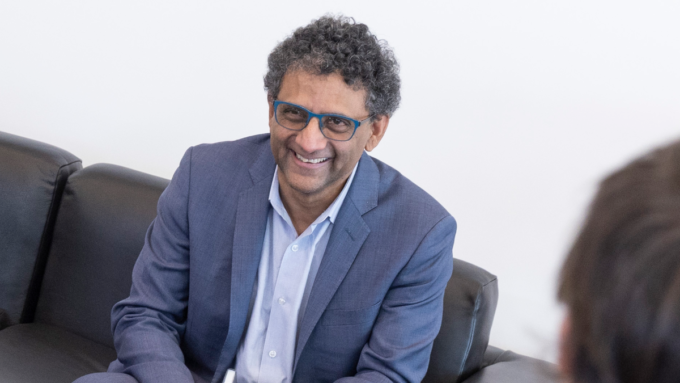
As a former goalkeeper, President Javier Milei knows better than anybody else that the most important thing to avoid in life is an unforced error. Yet, it took him surprisingly long to apply that rule to the case of Manuel Adorni, his now former Cabinet Chief, whose rags-to-riches tale captured the public’s imagination for over three months and cost Milei a quarter of his approval ratings.
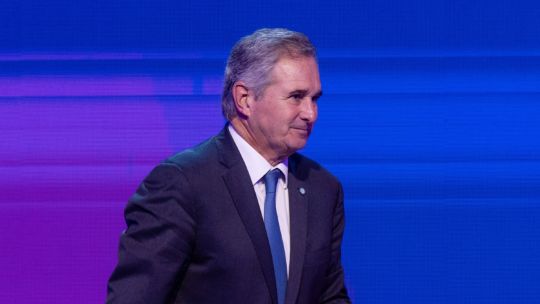
Better late than never, though. Next year, we might see in retrospect how the President assembled his re-election team in the middle of the World Cup in the dusk of the Adorni disaster. Or we might not, but at least that seems to be his intention right now. The arrival of Diego Santilli to the Cabinet Chief’s Office signals a pragmatism that is both the result of a lack of trustworthy people in his libertarian ranks and the acknowledgment that he needs yet another dose of “the caste” to align the means with the goals of his administration.
Milei needed to stop the Adorni haemorrhage. He did, even if seemingly against his will. This is a good sign for Milei’s future, but it should be noted that half of the key people in his libertarian government are now former members of Mauricio Macri’s PRO party who served in the ex-president’s 2015-2019 government, something Macri yearned for when Milei was elected in 2023.
This also has an impact on the outlook for next year’s elections. By stubbornly sticking to Adorni, Milei was alienating his centrist allies, including PRO and a handful of colour-blind provincial governors, some of whom call themselves Peronists, like Salta’s Gustavo Sáenz, Córdoba’s Martín Llaryora, or Catamarca’s Raúl Jalil. If that trend had continued, division in the centre-right of the spectrum would have become the most probable scenario for next year.
Macri and Senator Patricia Bullrich – and even Vice-President Victoria Villarruel, who is now openly in opposition to the government – were eyeing an opening in which Milei’s approval ratings would fall beyond a point of no return and create a space for another conservative contender. This is not the case yet; June polling data shows a slight recovery from May, enough to halt the decline, though not signalling a change in trend yet.
If this team is to carry Milei to re-election, however, it will have to adjust the government’s narrative. This week showed arguably the biggest gap between a language of macroeconomic success for the country and microeconomic pain for the people. Economy Minister Luis Caputo trumpeted on social media that the country had hit a new record of oil production, 903,000 barrels per day, in May 2026. Also, he continued to announce benefits for oil companies under the RIGI investment program, now with 20 projects greenlighted to get tax breaks and 21 under study.
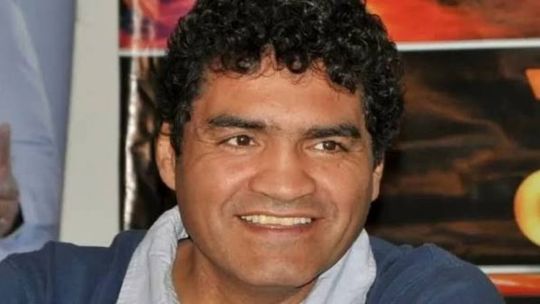
In parallel, the new government spokesman, Adrián Ravier, made his debut at a press conference defending sharp increases in utility rates and recommending that Argentines put on warm clothes at home to avoid turning on the heat. “There is no such thing as a free lunch,” said Ravier, criticising the previous administration’s subsidies policy.
Milei needs to narrow this political script gap if he wants to aim for a first-round victory in 2027. Despite his unforced errors, the odds continue to be in his favour, especially since a robust farming sector and a booming energy sector are delivering the hard currency he needs to avoid instability through the electoral season. But so far, the President continues to play the past and future cards, overlooking the present – this week he said that, should he win re-election, people could expect “huge salaries” by the time he leaves office in 2031.
The opposition, meanwhile, is helping with the government’s “don’t look back” argument. Far from approaching unity, the Peronist party is deepening its divisions and leadership problems, which complicates the potential candidacy of Buenos Aires Province Governor Axel Kicillof, its top national figure other than the house arrested former president Cristina Fernández de Kirchner.
The opposition still has one hope: to settle its leadership contest in the PASO primaries of August 2026. If Santilli delivers on his first main task as Cabinet Chief, which is to get them scrapped, the Peronists’ troubles may reach a point of no return.