Inflation rebounds to 1.9% in September
 Juan Marcos PollioUpdated 2 hours Ago2 Mins read

Last update: 5 p.m.
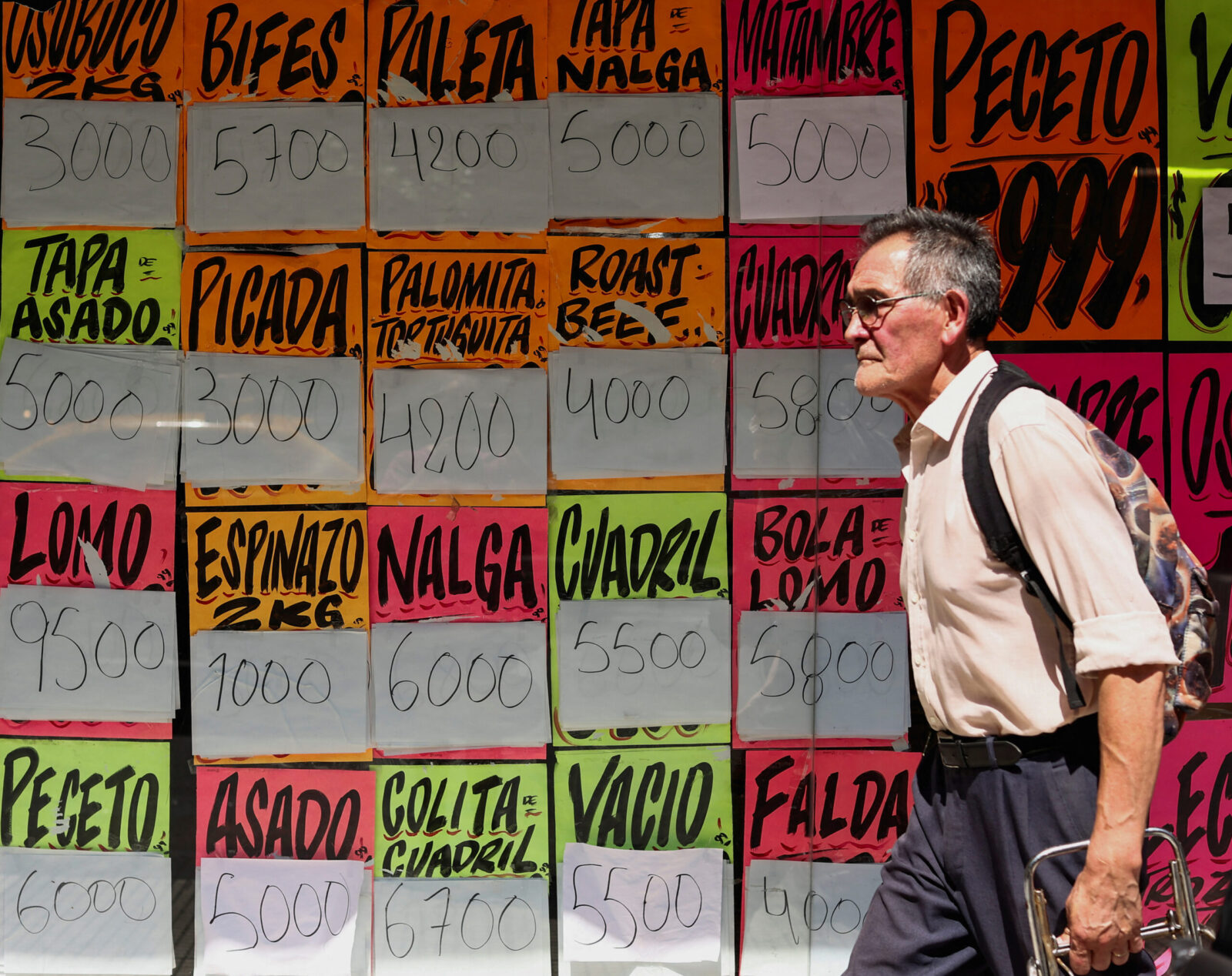
Inflation in Argentina in September reached 1.9%, according to a report published on Tuesday by the National Institute of Statistics and Censuses (INDEC).
This figure marked an increase following August’s 1.7%. However, inflation has remained below 2% for two consecutive months for the first time since July and August 2025.
Meanwhile, core inflation stood at 1.7%, down from the 1.8% recorded the previous month. This was also its lowest figure since July 2025.
Prices rose by 33.4% year-on-year, while inflation totalled 23.6% in the first nine months of 2026.
The Consumer Price Index (CPI) varied across regions. Greater Buenos Aires and the Pampas region recorded monthly increases of 2%, above the national average.
By contrast, the Northwest and Cuyo regions posted increases of 1.9%, the Northeast recorded 1.7%, and Patagonia had the lowest rate, at 1.4%.
By category, seasonal prices rose 2.9%, driven primarily by vegetables, tubers, and legumes. Regulated Prices increased 2.3%, led by gas, electricity, and prepaid healthcare costs.
Among expenditure divisions, the largest monthly increase was in housing, water, electricity, gas, and other fuels, at 3.1%, followed by education at 3%.
Conversely, the smallest increases were recorded in restaurants and hotels (1.1%) and clothing and footwear (1.4%).
Market sees positive signs Sergio González, head of the Investment Office at brokerage firm Cohen Aliados Financieros, said the “positive data point” was the monthly decline in core inflation.
“The acceleration came from volatile components and utility tariffs, not from the underlying price trend,” he explained.
He noted that the figure was in line with market participants’ expectations, “so it should not come as a surprise to investors.”
Federico Filippini, head of research at brokerage firm Adcap Grupo Financiero, expressed a similar view. Although monthly inflation accelerated, “September’s figure offers a fairly positive reading.”
He noted, first, that the figure came in below the levels reported by several private consulting firms. Meanwhile, core inflation stood at 1.7%, “reinforcing the signal of an underlying slowdown.”
He added that the overall result was positive, particularly given that just a few weeks earlier, some market participants had feared “significantly worse results.”
Outlook for the final quarter Looking ahead, González explained that the market expects monthly inflation to hover around 1.8%, “which implies a slight slowdown from September’s reading.”
The latest Market Expectations Survey (REM), compiled by the Central Bank of the Argentine Republic (BCRA), put the median private-sector forecast at 1.9% for September at 1.9%.
For October, the average forecast is 1.7%, followed by a decline to 1.6% in November and a rebound to 1.8% in December.
Based on these projections, annual inflation would reach 30% in 2026.
Meanwhile, in its latest update on the Argentine economy, the International Monetary Fund (IMF) projected that inflation would end the year at 32.5%, up from its April estimate of 30.4%.