Brazil 2026 elections: Bolsonaro’s party sweeps Senate and state elections
 Buenos Aires HeraldUpdated 3 hours Ago3 Mins read
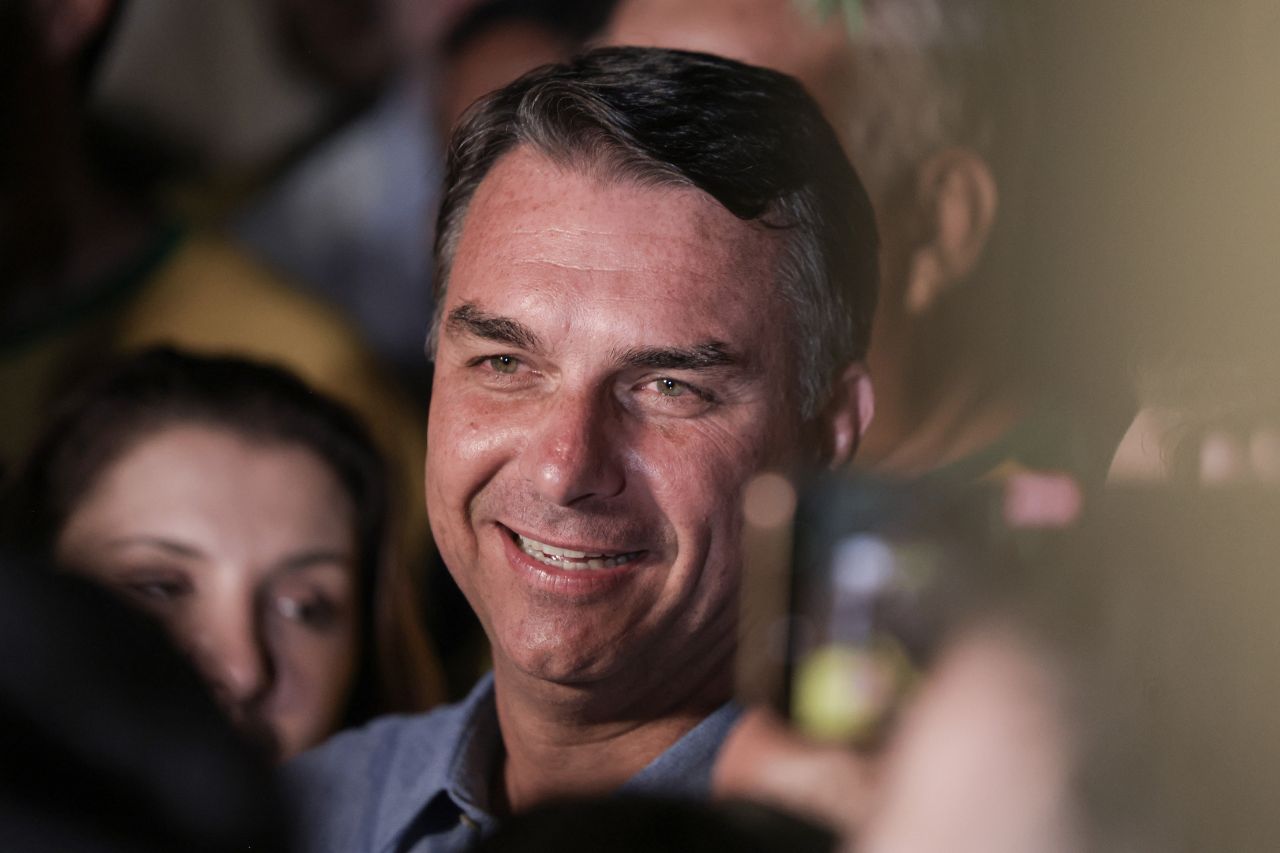

Presidential candidate Flávio Bolsonaro not only scored a victory in the first round of Brazil’s 2026 elections. The far-right Liberal Party (PL, in Portuguese), which he leads, will also become the largest bloc in the Senate next year, and the party won the highest number of gubernatorial races in the country.
At least five states will have governors from the PL starting in January 2027 after its candidates won in the first round with at least 50% of the vote.
However, there could be more: two other candidates will go to a runoff on October 25, the same day Brazilians choose between Bolsonaro and current President Luiz Inácio “Lula” da Silva in the final presidential race.
On Sunday, Bolsonaro — son of right-wing former President Jair Bolsonaro (2018-2022) — finished first with 47.03% of the vote in Brazil’s presidential election, almost two percentage points ahead of Lula (45.16%), from the Workers’ Party (PT, by its Portuguese initials).
The PL will have a significant legislative advantage, as it will hold more than one-third of the seats in the Brazilian Senate starting in 2027. With 28 senators out of a total of 81, the bloc will remain the largest in the chamber, but now with 13 additional seats. This means it will hold almost 35% of the Senate.
The Liberal Party will still have to negotiate with other sectors to get its bills passed. Agreements with other right-wing parties would allow it to reach up to 37 votes during sessions, close to the 42 seats needed for an absolute majority.
Former First Lady Michelle Bolsonaro, Jair Bolsonaro’s wife, and another of his sons, Carlos Bolsonaro, will be among the Liberal Party’s new senators.
More power The results represent a shift in the balance of power in the Senate, as right-wing and conservative parties will have much greater influence than they currently do.
Lula’s Workers’ Party will remain with nine senators, as it retained the six seats that were up for renewal. But overall, left-wing parties will see their representation drop from 17 to 15 seats.
Center and center-right parties that typically negotiate with the sitting executive branch also lost several seats.
Lula had warned about the consequences of a right-wing victory in the Senate. “They will turn this country into a living hell,” he said during his campaign about a possible PL win.
In the Lower House, the Liberal Party won 121 of the 513 seats, adding 24 representatives compared with those elected in 2022. While it will be the party with the most deputies, its 121 seats represent less than a quarter of the chamber, leaving it far short of a majority.
The alliance made up of the PT and other progressive sectors came in second with 82 deputies.
The new deputies will take office on February 1, 2027.
Governors Bolsonaro’s party won the gubernatorial races in five of the country’s 27 states: Paraná, Santa Catarina, Rio Grande do Sul, Rondônia and Roraima. As some of the country’s most influential regions, their support will give the party a stronger negotiating position in Congress.
The conservative Social Democratic Party (PSD) won in four states, while the PT and Republicanos won three each.
To win in the first round, candidates needed at least 50% of the vote. Two Liberal Party candidates will compete in the runoff: Maria do Carmo in Amazonas and Douglas Ruas — who is seeking reelection — in Rio de Janeiro.
One of the biggest blows for the ruling party was the loss of one of its main leaders, Fernando Haddad, in the race for the São Paulo governorship. Haddad, considered by many as Lula’s main successor, was beaten in the first round by the current Governor Tarcísio de Freitas with 62.65% of the vote and will continue to lead Brazil’s most populous state.
De Freitas is the leader of Republicanos and served as infrastructure minister under Jair Bolsonaro. Although he is not a member of the Liberal Party, he is an important ally of the former president. In fact, he was set to be Jair Bolsonaro’s chosen candidate until Bolsonaro decided to support his son Flávio instead.