Brazilian football clubs kick back against Lula’s online betting ban
 Fernando Romero NunezUpdated 3 hours Ago2 Mins read
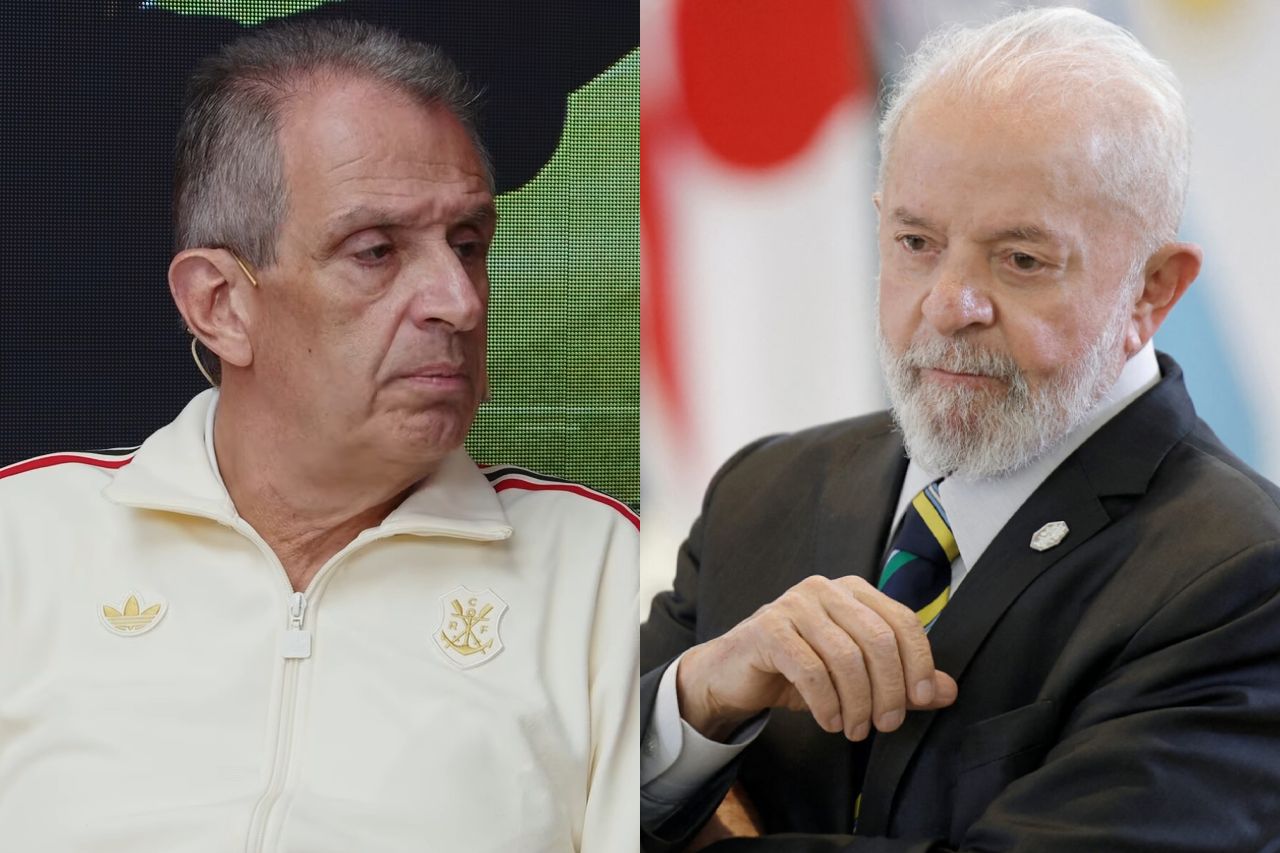

Brazilian football clubs are protesting after President Luiz Inácio “Lula” da Silva signed a decree banning online betting, casinos, and advertising by gambling companies.
The initiative was announced on September 25 and will take effect immediately, although it requires congressional approval within 120 days. Lula will also submit a bill to incorporate gambling offenses into the Criminal Code and stiffen penalties against illegal betting.
Flamengo President Luiz Eduardo Baptista criticized the ban in a Monday interview on the club’s official YouTube channel, saying it undermines the institution’s financial commitments, since online betting companies are one of Brazilian football’s biggest sponsors.
“In Argentina, they’re celebrating this,” said Baptista, adding that the initiative will weaken Brazilian football. “How am I going to pay for [former Brazil international midfielder Lucas] Paquetá in January?”
The club president put the estimated loss of income at roughly R$400 million (just under US$76.7 million), adding he hopes the initiative will be “revisited either by the Supreme Federal Court or by Congress” and be struck down.
“This measure compromises future revenues. It affects the football payroll and the signings we made. It affects Olympic sports and tax incentives,” he said.
Baptista’s statements drew mixed reactions from the fans, with several standing for the measure and calling on the president to “secure new sponsors instead of crying out,” while others hinted at supporting a return to the far-right under Flávio Bolsonaro.
Increased revenue dependency Following the legalization of fixed-odds betting in 2018, in which bettors know their potential payout before placing a wager, advertising by online betting platforms became increasingly prevalent in Brazilian football.
In 2025, marketing income from betting companies in Brazilian top-tier football reached R$1.143 billion (just under US$220 million) in sponsorships, according to a survey by sports marketing and management firm Sports Value.
On average, it accounts for 36% of a club’s marketing revenue, with some clubs, like São Paulo, getting 73% of their sponsorship income from online betting services.
Blackout coming in October Lula’s decree mandates all betting companies to go offline by October 6, with users required to withdraw any remaining balances from the platforms before then.
Operating or running fixed-odds betting by any means will become a crime punishable by four to six years in prison, plus fines. The penalty will apply even if the operator holds authorization from a foreign authority.
Research by the Brazilian platform Bet Legal shows that 543 betting sites were launched illegally following the federal government’s ban on betting.
The full-on ban puts Brazil at the forefront of outlawing online betting in football.
Several of Europe’s top leagues have imposed partial or complete bans on betting advertising. Italy’s Serie A has held a full ban since 2018, while Spain’s La Liga implemented a similar one in 2021.
In April 2023, the English Premier League announced a ban on sports betting sites as shirt-front sponsors, set to take effect at the start of the 2026-27 season.