Argentina is experiencing an export boom. How much are provinces benefitting?
 Juan Marcos PollioUpdated 2 hours Ago3 Mins read
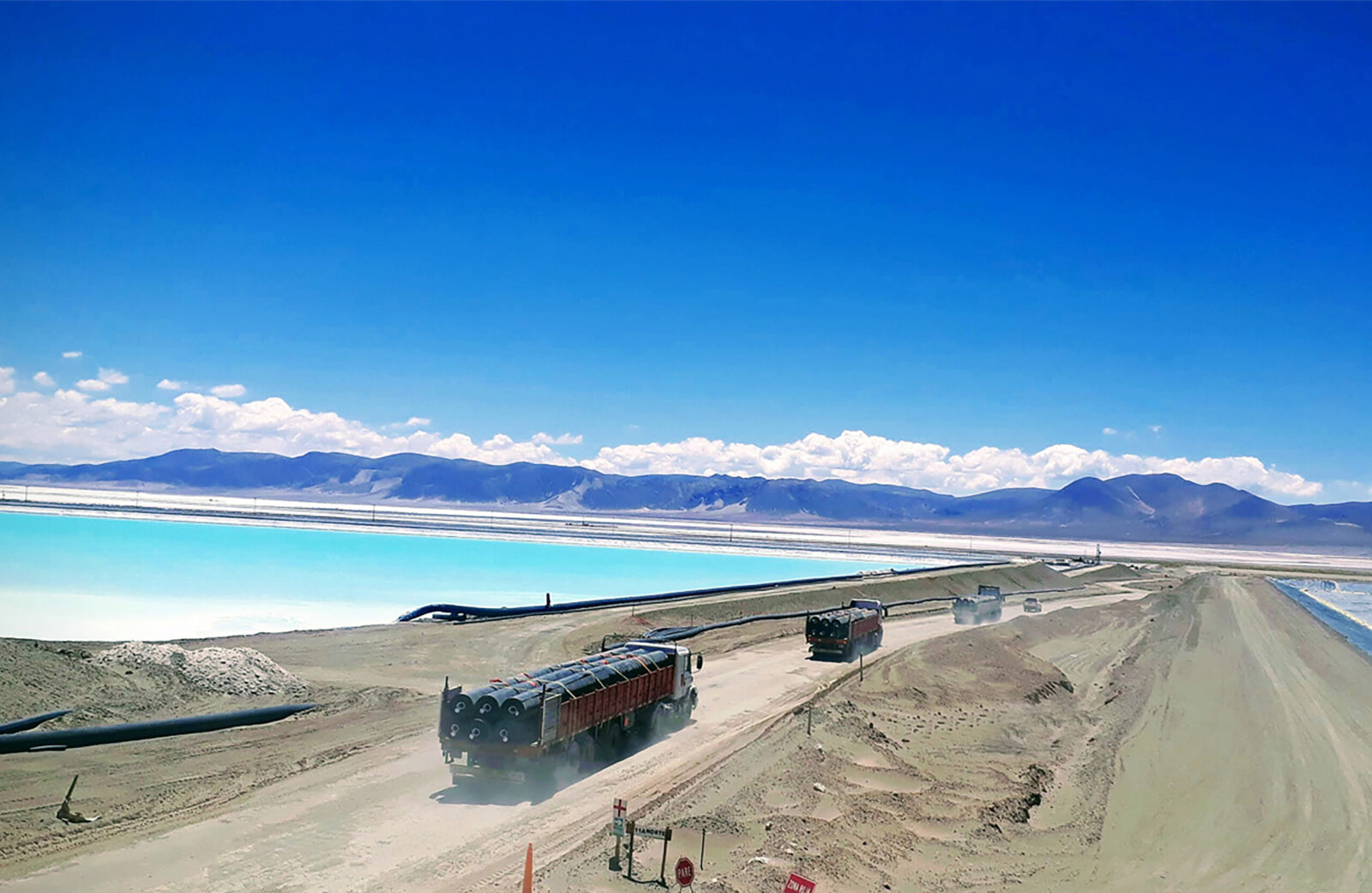

Argentina’s economy is currently a two-faced creature. While exports linked to oil, agriculture, and mining are seeing record numbers, real economy sectors like industry, construction, and commerce are stagnant or in decline.
For the government, the solution to this problem is to bet on export sectors triggering a “trickle-down” effect on the less favored ones. Nearly three years into the libertarian administration, it is worth asking how effective that strategy has been so far.
In a recent report, orthodox think tank Fundación Mediterránea puts this issue under the microscope, analyzing the cases of Neuquén — known for the Vaca Muerta oil and gas field —, San Juan, Salta, Jujuy, Catamarca, and Santa Cruz — where metal mining takes place — and Córdoba and Buenos Aires province, where the bulk of agricultural production is located.
The findings reveal a heterogeneous landscape. While there are marked improvements in some provinces, the most populous regions with greater economic diversification — like Córdoba and Buenos Aires province — are failing to feel the economic trickle-down from the export boom.
There are cases where the government’s own strategy can foster growth in one region, as is the case with Neuquén, to the detriment of other areas of the country, like Santa Cruz.
“The issue takes on special importance in a context in which the Argentine economy, in the aggregate, has shown signs of stagnation for a year and a half,” the report said.
Neuquén leads the way According to the report, the greatest spillover from the export boom is taking place in Neuquén.
“It is not just that the total wage bill is improving. Strikingly, the rest of tradable goods — meaning everything that is not oil and gas — is growing even more than the oil sector itself, and the rest of the sectors in the Neuquén economy are also following suit with a significant improvement.”
According to the survey, the wage bill for the rest of the tradable goods in 2025 grew 29% compared to 2023.
By way of comparison, oil sector growth was 13% during that same period, while total private sector wage bill — including commerce, services, and construction — increase was 17%.
“It is a good example of how a strong export impulse can drive the entire provincial productive structure, beyond the sector that originates it,” the report said.
Alternating realities for San Juan and Catamarca In the case of San Juan and Catamarca, two mining provinces, results “confirm the trickle-down logic, albeit with nuances,” as total wage bill increased in both.
“The surprising revelation in San Juan is that other tradable goods are growing more than mining itself, which is explained by the weight of the industry supplying inputs for that activity,” the report said.
While the mining wage bill grew 7%, the rest of the tradable goods saw an 11% increase.
In Catamarca, meanwhile, the increase was indeed led by mining salaries. Between 2023 and 2025, they rose 19%, while the rest of the tradable goods rose 6%.
Increase in the private sector wage bill in both provinces, however, was minimal: just 3% in San Juan and 5% in Catamarca, which “suggests a trickle-down effect that is still limited to the economy not directly linked to mining.”
In agricultural provinces, trickle-down is not enough In Buenos Aires province and Córdoba, two provinces with strong ties to agriculture, exports are “doing well” but do “little” for the rest of the economy.
“The agricultural sector exports more and pays better, but its strong performance is not enough to drive the provincial economy as a whole,” the report said.
In real terms, total wages in the agricultural sector rose 7% in Buenos Aires province and 5% in Córdoba. The rest of the tradable goods sector recorded declines of 4% and 5%, respectively.
There are also provinces where a mixed reality exists, as is the case with Santa Cruz.
The report states that, although mining is “going through a good moment,” the oil sector is “retreating sharply” due to the closure of mature wells by the state-run oil company YPF to prioritize investment in more productive sectors, such as Vaca Muerta.
That “ends up dragging down the rest of the tradable goods, other sectors, and the total wage bill.” While the mining wage bill rose 21% between 2023 and 2025, the private sector wage bill plummeted 15%.