Argentine bookshops declare ‘bookselling emergency’
 Buenos Aires HeraldUpdated 2 hours Ago2 Mins read
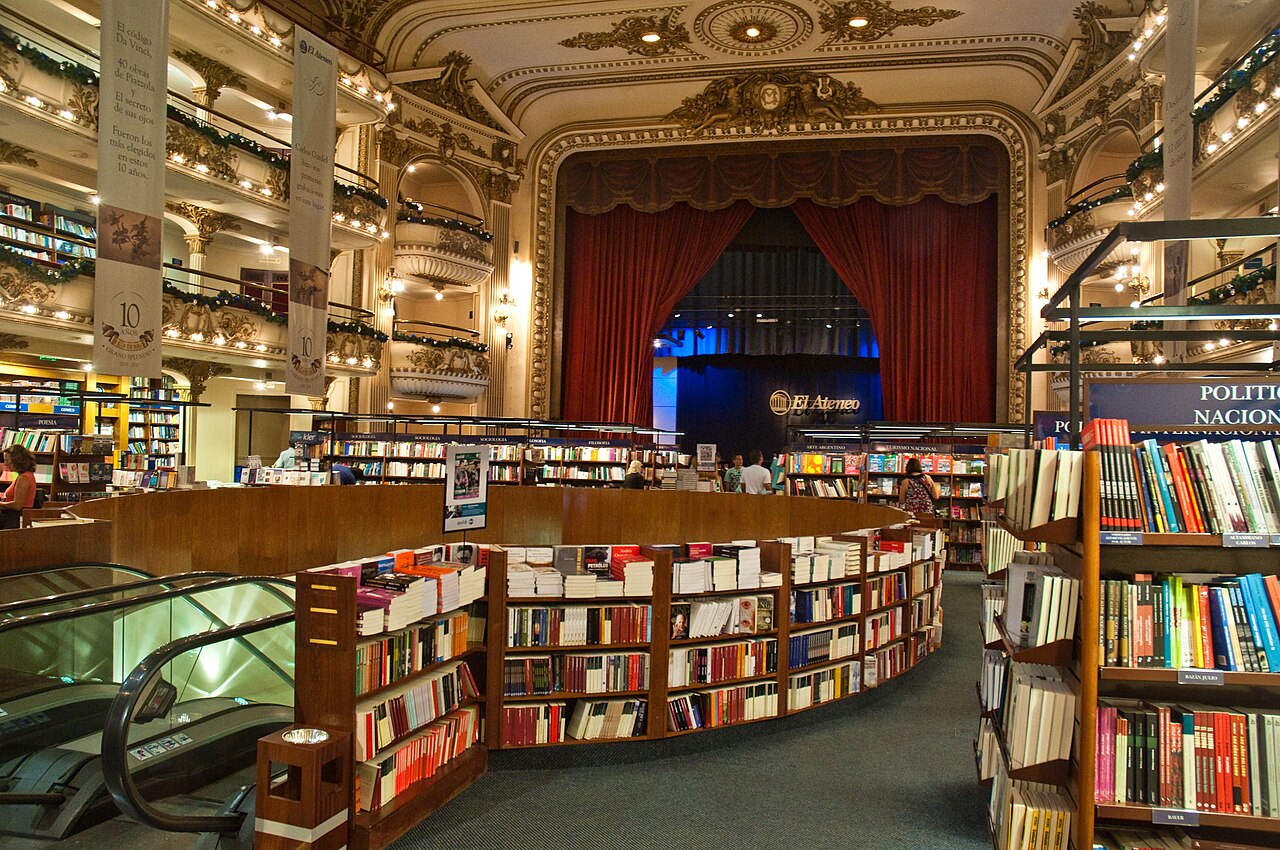

The Argentine Federation of Bookstores, Stationeries, and Related Businesses (FALPA, in its Spanish acronym) declared a “bookselling emergency,” after a national survey revealed a sharp decline in activity since 2023.
According to the study, book sales fell by approximately 25% between 2023 and 2026, while bookshops’ revenue has shrunk by 41.5%.
Meanwhile, major costs required to run a bookstore — including utilities, communications, and transport/logistics — have risen by 31.1%, the survey showed.
According to FALPA, many independent bookstores are staying afloat by cutting their owners’ pay, tapping into savings, or going into debt.
Rebuild reading habits The Federation also connected the bookselling emergency to concerns about Argentina’s 2025 PISA test scores, which measure students’ learning. The country’s performance in all three subjects declined compared to the last test in 2022 and was below the OECD average in all assessed areas.
“This emergency is occurring, moreover, within an educational context that demands rebuilding reading habits,” FALPA stated. “The latest PISA test results show a worrying decline in reading comprehension among our youth. In light of this reality, strengthening the reading habit and preserving the network of bookstores that connects every community with books must be part of a priority cultural and educational policy.”
The Federation called on national, provincial, and municipal governments to “adopt urgent measures to preserve the independent bookstore network.”
“We are not asking for privileges. We are asking for conditions that allow us to compete, work, and survive. There comes a point where individual effort by booksellers is no longer enough. We are getting to that point,” FALPA stated.
The El Libro Foundation, which organizes the Buenos Aires International Book Fair, stood by FALPA’s emergency declaration and expressed their “deep concern” for what they described as a “worrying diagnosis.”
Earlier this year, the entire book industry — including publishers, distributors, bookshops and authors — pushed to repeal the government’s plan to eliminate the country’s fixed-price regulation. The move was part of a major bill authored by the deregulation ministry, and was ultimately scrapped after the sector warned it would devastate independent bookstores, despite government claims deregulation would increase competition and lower prices.
“Bookstores form a cultural network spread across cities and towns throughout the country,” They bring books closer to readers, help people discover authors and publishing houses, and play a particularly key role in promoting reading,” FALPA stated.
“When a bookstore closes, it’s not just a business disappearing. A gateway to books and to the community’s culture disappears as well.”