Herald celebrates 150th anniversary with gallery opening and magazine launch
 Buenos Aires HeraldUpdated 2 hours Ago2 Mins read
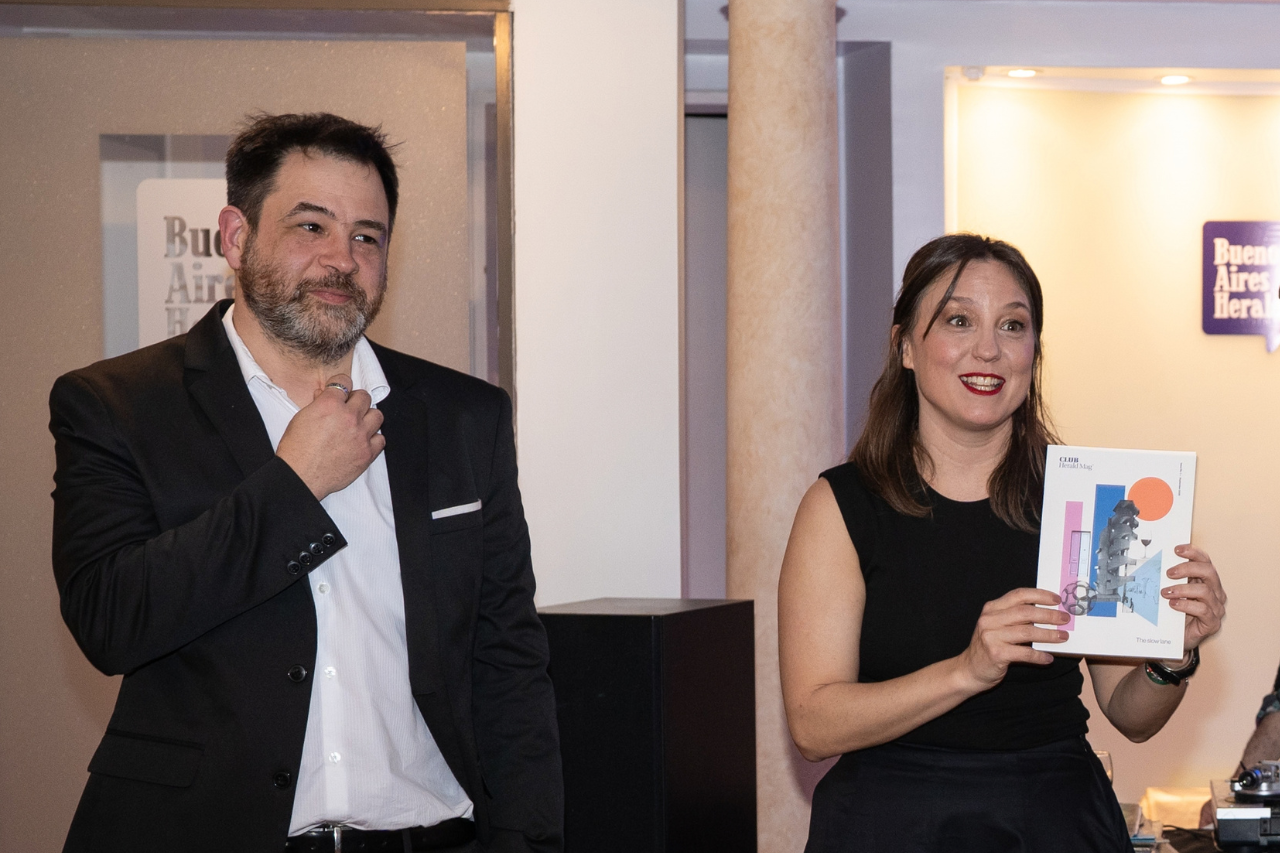

The Buenos Aires Herald celebrated its 150th anniversary Thursday with the inauguration of Espacio 1876, a contemporary art gallery located inside its newsroom, bringing together journalists, artists and dozens of guests for an evening celebrating the newspaper’s past while looking toward its future.
Editor-in-chief Estefanía Pozzo and the Herald newsroom officially opened the gallery at the newspaper’s new offices on Reconquista street, where the inaugural exhibition, Sensitive Data: documenting the invisible, presents work by Yasmín Antún, Amira Ahumada, Constanza Ruibal and Lucía Reissig.
Curated by Florencia Magaril, the exhibition explores the intimate, domestic and barely perceptible through different forms, including iron, textiles, images and performance. Ruibal and Antún also presented live performances during the opening, while musician Simja Dujov provided a vinyl soundtrack for the evening.
The exhibition will remain on display through February 26, 2027.
The gallery represents a new direction for a media organization whose relationship with Argentina has traditionally been mediated through words.
Speaking at the opening, Pozzo placed the new initiative within the Herald’s longer history.
“It is a vitally important newspaper for Argentine democracy and for the process of memory, truth, and justice,” she said, highlighting the newspaper’s archive, which is held at its offices and has served as documentary evidence in trials for crimes against humanity.
“For us, safeguarding that past is a sacred duty,” Pozzo said. She paid tribute to Robert Cox, Andrew Graham-Yooll, Uki Goñi and others who worked at the newspaper during the dictatorship, calling Cox the Herald’s “journalistic hero.”
“We take great pride in being able to preserve this legacy,” she said. “This is a deeply moving moment for all of us. It marks 150 years; very few institutions in Argentina reach such a milestone.”
Cultural bridge Managing editor Juan Décima said the anniversary was also a celebration of the Herald’s role as a cultural bridge — first for Buenos Aires’ English-speaking community and now for audiences around the world seeking to understand Argentina.
He described the gallery as part of the newsroom’s effort to engage with reality beyond the traditional tools of journalism.
“For our newsroom, making sense of the information tsunami we have at the tip of our fingertips means posing the right questions and searching for facts that we later contextualize,” Décima said. “Being a cultural bridge also means dealing with a disheveled reality that can refuse to be pinned down.”
Espacio 1876, he added, represents a new way of approaching that reality.
Watch this space… The opening of the art gallery is not the only event the Herald has planned to celebrate its 150 years.
The newspaper, which relaunched as a digital platform in 2023, also published its first print publication since its rebirth online: Club Herald Mag: The slow lane, which reflects a deliberate editorial stance against the frantic, 24/7 digital news cycle.
And, in November, there will also be a special sporting event — another of the Herald’s main areas of coverage — with a tennis tournament organized with the Argentine Tennis Association (AAT).
To top it all off, on November 19th the Herald will host a special gala to mark the reopening of Argentine playwright Lola Arias’ acclaimed Mavinas War piece Minefield, which will return to the stage ten years after its first presentation.
The play, a reflection on the war that brings United Kingdom and Argentine veterans together on stage, will be produced by Daniel Grinbank and the British Council and run at the Coliseo Theater in Buenos Aires from the 19th through the 22nd and from the 25th till the 29th.
Editorial disclaimer: Although the UK refers to the Malvinas territory as the “Falklands Islands,” Argentina strongly contests this name. The Buenos Aires Herald refers to the islands as the Malvinas Islands.
Photographs: Gala Abramovich




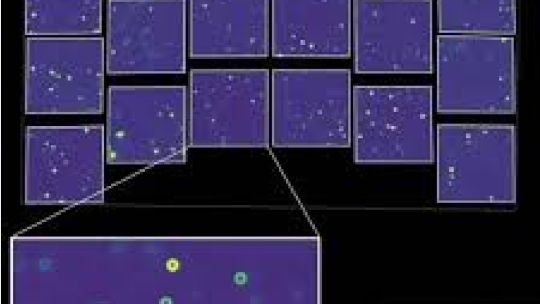
La espectacular cámara del telescopio Roman registró su primera foto espacial
La NASA confirmó que el telescopio Nancy Grace Roman acaba de dar un...
 Herakles032 Mins read