Ariel Slipak is a research coordinator at the Environment and National Resources Foundation (in Spanish, FARN)
In a context marked by rising geopolitical tensions, armed conflicts, and high volatility in fossil fuel prices, the First International Conference for a Transition Beyond Fossil Fuels was held in Santa Marta, Colombia, between April 24 and 29, 2026.
More than 50 countries gathered with a shared objective: to discuss how to overcome dependence on fossil fuels and move forward with the energy transition. The meeting sent a clear signal: the world is no longer debating whether fossil fuels must be abandoned but how to do it.
That “how,” however, is far from a consensus. Some actors promote an exit based on substitution: replacing oil, gas, and coal with renewable energy sources without altering the consumption patterns that gave rise to the crisis. From this perspective, the transition is reduced to a mere technological shift.
In contrast, social organizations, communities, and academia warn that this approach is insufficient. Changing the energy matrix is not enough if inequalities, power concentration, and production and consumption models that degrade territories and violate rights persist. A socio-ecological transition is needed — one that is fair to both nature and human rights.
This tension is clearly reflected in the advancement of false solutions. The expansion of renewable energy or the growing demand for critical minerals such as lithium and copper are often presented as inevitable, yet they frequently proceed without adequate mechanisms for social participation, without safeguarding biodiversity, and without a comprehensive assessment of their impacts. Under the discourse of transition, there is a risk of reproducing the same dynamics that sustained the fossil fuel model.
The problem is not only technical but also deeply political and economic. In countries of the Global South, decisions are constrained by structural limitations: external debt, the need to generate foreign currency, and pressure from international markets continue to drive the expansion of extractive activities. In this scenario, economic urgency competes with climate urgency.
Beyond its tensions and nuances, the Santa Marta Conference marked an important shift toward a space focused on seeking solutions and building a pathway away from fossil fuels, rather than remaining a closed, inward-looking diplomatic exercise.
The conference aimed to consolidate itself as an implementation-oriented platform, promoting the coordination of existing initiatives and their linkage with multilateral processes, particularly within the framework of the United Nations Framework Convention on Climate Change.
One of its main outcomes was the decision to ensure political continuity through a second conference to be held in Tuvalu in early 2027, co-organized with the Government of Ireland.
For this reason, the upcoming international meetings will be decisive — not only because of the commitments that may be announced but also because of the ability to turn shared diagnoses into concrete policies: clear targets, defined timelines, and mechanisms that guarantee an orderly and just phase-out of fossil fuels while ensuring universal access to clean and affordable energy.
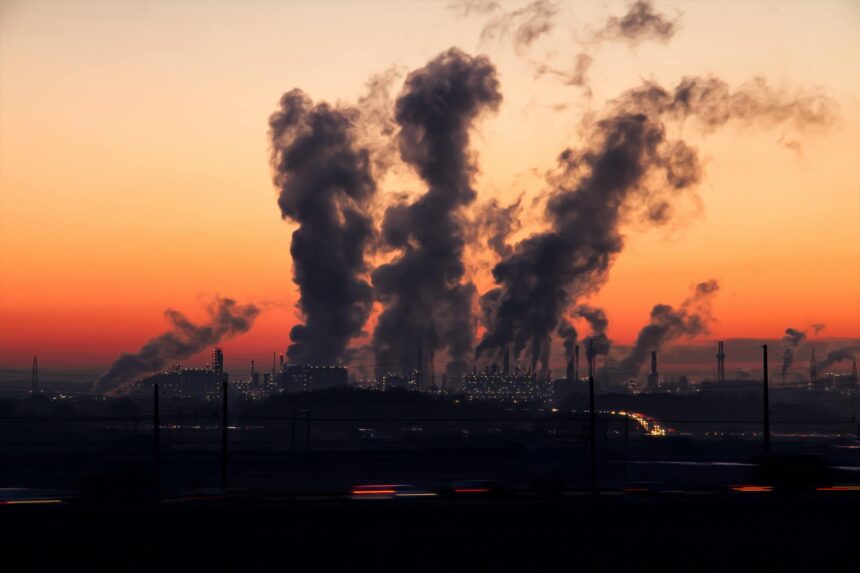
Cover image credit: Pixabay.